How To Cut Changeover Time in Inspection Rooms
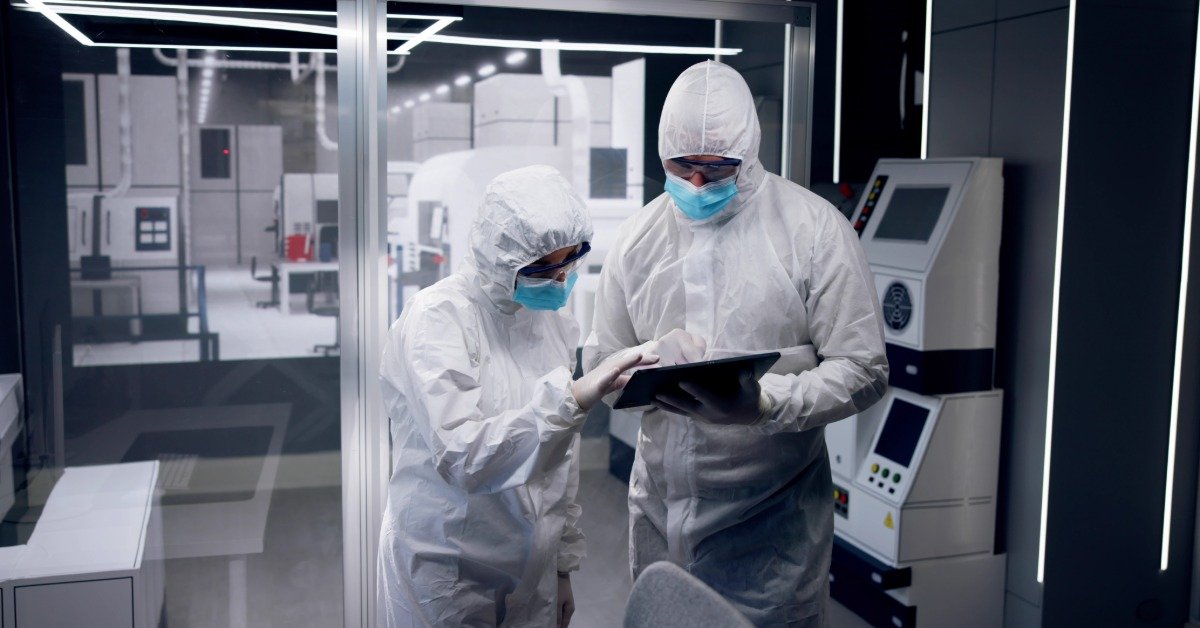
Production rarely slows during measurement; it slows during the reset between one verified part and the next setup. Managers focused on cutting changeover time in inspection rooms know that those transition minutes quietly shape overall throughput. Fixture swaps and program adjustments expand to fill whatever time is left unstructured. When transitions are treated as engineered processes instead of routine interruptions, efficiency gains follow without sacrificing precision.
Standardize Setup Procedures
Structured routines remove hesitation from the changeover window. When fixture alignment and probe qualification follow a fixed sequence, operators move with greater confidence and fewer pauses. Clearly displayed setup documentation at each station further reduces second-guessing. Incorporating sign-off checkpoints within the sequence adds a layer of verification before measurement resumes. Over time, disciplined repetition shortens transitions without increasing risk or introducing avoidable setup errors.
Optimize Tooling and Fixturing
Tooling design directly influences how quickly one job gives way to the next. Modular fixtures that lock into place without extensive adjustment reduce teardown and rebuild time. Probe systems built for efficient stylus changes limit the need for lengthy recalibration when part geometry shifts. In many operations, adopting modular probe components demonstrates that a custom stylus can reduce inspection cycle times by simplifying qualification during changeovers.
Pre-Stage Programs and Documentation
Digital preparation carries as much weight as physical setup. Loading the correct inspection program and confirming revision alignment before the previous run ends prevents idle equipment. Controlled file management ensures operators do not search outdated folders during critical minutes. With programs ready in advance, the first product moves to validation faster.
Organize the Physical Layout for Flow
Room layout dictates how smoothly technicians transition between tasks. Workstations arranged to minimize travel reduce wasted motion during fixture exchange. Frequently used masters and gauges positioned near the CMM reduce unnecessary walking. Gradual layout refinement turns the inspection room into a space that supports movement rather than slowing it down.
Expand Workforce Flexibility and Transition Overlap
Changeover time increases when only one technician can execute critical reset steps. Cross-trained teams create overlap, allowing documentation closeout and program staging to happen in parallel rather than in sequence. Defined task ownership ensures that each phase of the reset advances without waiting for direction. As flexibility grows, inspection rooms gain scheduling resilience instead of relying on individual availability.
Inspection performance ultimately reflects operational discipline, not just equipment capability. Cutting changeover time in inspection rooms strengthens schedule reliability across the entire production floor. Consistent transitions reduce bottlenecks that ripple into machining, assembly, and shipping. When inspection keeps pace with demand, the rest of the operation moves with greater stability.