Understanding the Key Components of Robotic Palletizers
In the modern warehouse, efficiency is everything. As businesses scale, the need for consistent and rapid stacking becomes critical, leading many to adopt advanced automation solutions. Understanding the key components of robotic palletizers is the first step toward optimizing your end-of-line packaging process. By breaking down these systems, operators can better appreciate how they drive productivity and reduce manual labor costs.
Base Frame and Structure
The foundation of any industrial machine is its base frame. This rigid structure supports the robot and ensures stability during high-speed operations. A robust frame minimizes vibrations that could affect stacking accuracy, ensuring that the system remains durable even under heavy payloads and continuous duty cycles.
Robotic Arm and End-Effector
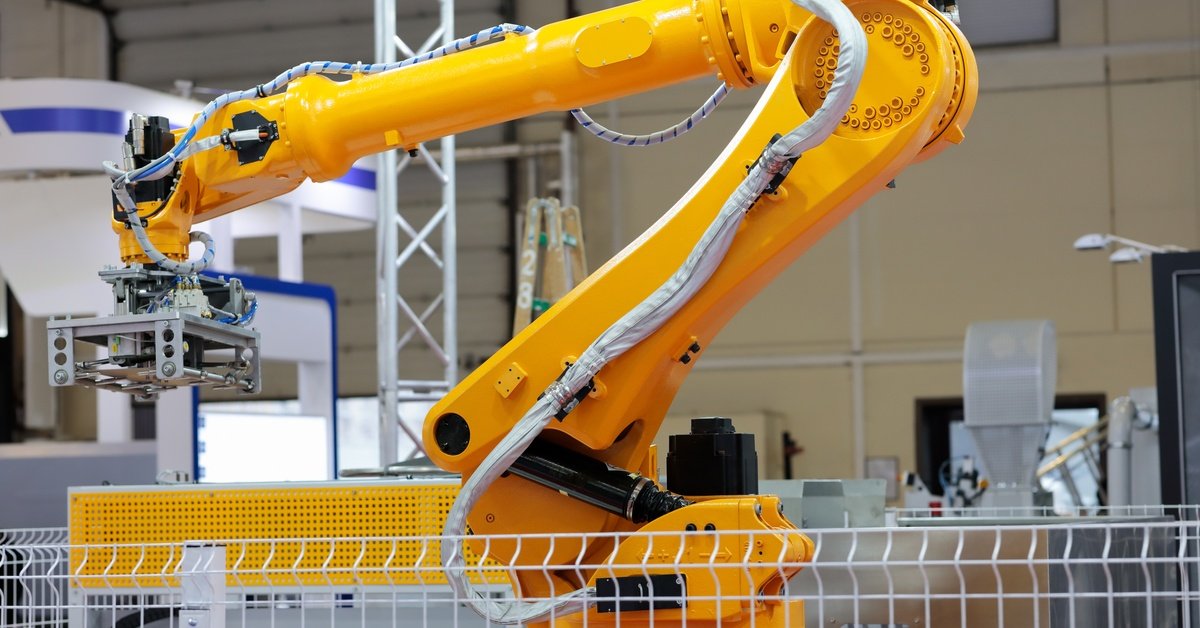
When thinking about the features of a robotic palletizer, most people visualize the articulated arm. This component mimics human movement to pick and place products with precision. Attached to the arm is the end-effector, or tooling, which physically grabs the items. Whether using vacuum grippers for boxes or mechanical claws for bags, this tool defines the robot’s versatility.
Conveyor System Integration
Seamless material flow depends heavily on conveyor integration. These systems feed products to the pick point and remove fully stacked pallets from the cell. Effective integration ensures that the robot is never waiting for product, maintaining a constant cycle time and maximizing throughput without bottlenecks.
Control System and Software
The control system and software are the central hub of the entire operation. This interface allows operators to program stacking patterns and adjust speeds. Modern software often features intuitive drag-and-drop interfaces, making it easier for facility staff to troubleshoot issues or switch between different product SKUs without extensive coding knowledge.
Safety Features and Sensors
Safety is paramount in automated environments. These systems utilize light curtains, perimeter fencing, and collision detection sensors to protect human workers. If a person enters the operational zone, the sensors trigger an immediate stop, ensuring that high-speed automation creates a safe working environment for everyone on the floor.
Power Supply and Management
Reliable operation requires a consistent power supply and management system. This unit regulates the energy distributed to the motors and drives, protecting sensitive electronics from surges. Efficient power management also helps in reducing overall energy consumption, contributing to a greener and more cost-effective manufacturing footprint.
Investing in automation requires knowledge of how the machinery functions. By understanding the key components of robotic palletizers, you can maintain your equipment and select the right specifications for your facility.