GSIS brings services closer to Ifugao members through ground-level dialogue
The Government Service Insurance System took its outreach to the mountains of Ifugao, engaging members and pensioners in a dialogue aimed at refining service delivery and identifying practical interventions for communities in far-flung areas. The consultation underscored GSIS’s push to anchor reforms on real-world experiences, particularly in provinces where access to government services remains a challenge.
GSIS President and General Manager Wick Veloso said listening directly to members is essential to crafting meaningful improvements, especially for public servants assigned to geographically isolated areas. He emphasized that those serving in difficult locations deserve focused attention and solutions that address the realities they face daily.
Listening first to shape reforms
Veloso encouraged stakeholders to openly share their concerns, stressing that reforms must be shaped by stories from the ground rather than assumptions from offices in urban centers. He noted that travel constraints, limited connectivity, and fewer resources in provinces like Ifugao demand more responsive and localized solutions from GSIS.
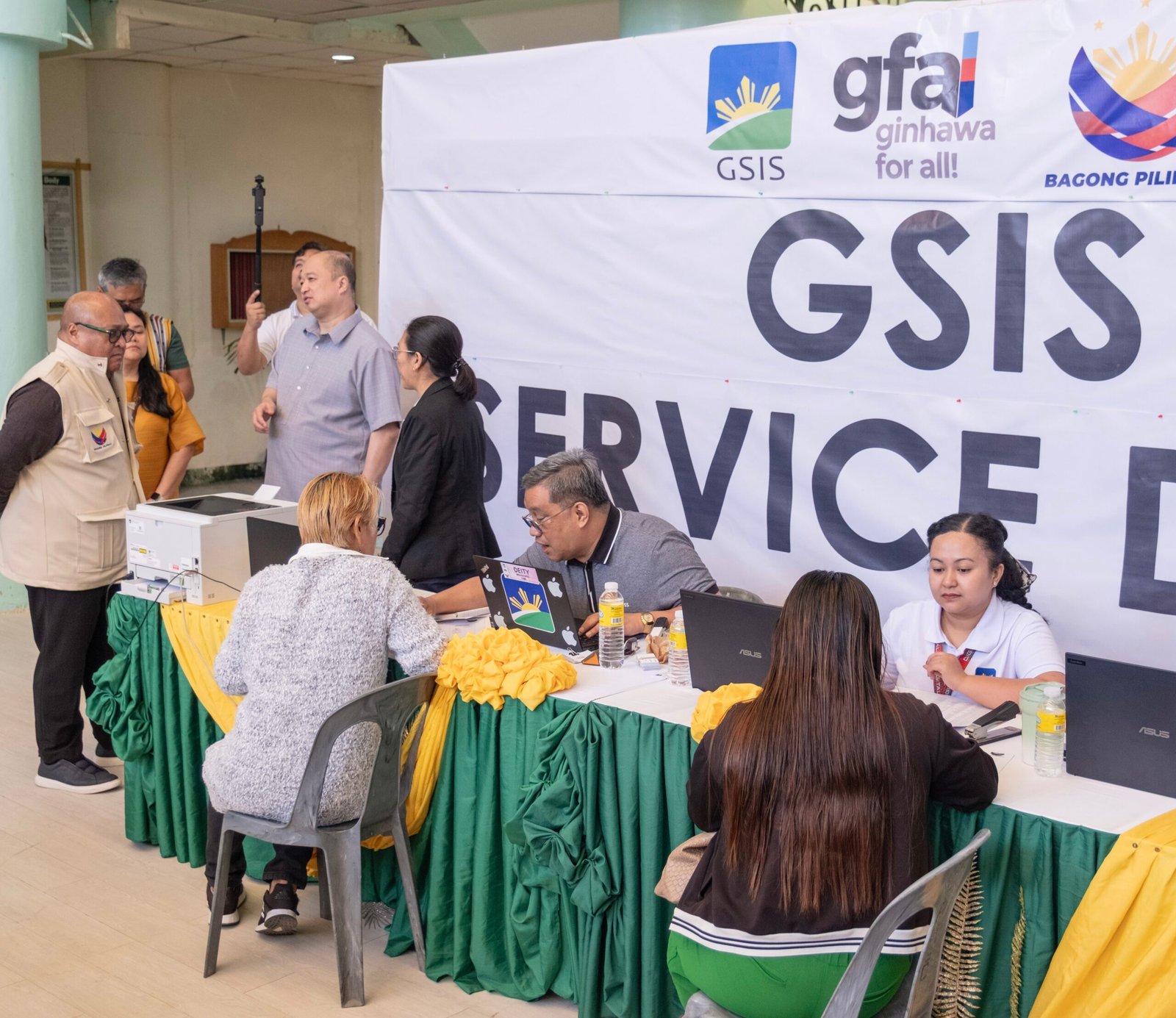
As part of the measures presented during the dialogue, GSIS committed to expanding its on-site presence in government offices through service desks and mobile caravans. These initiatives will focus on transactions that require personal assistance, including enrollment, record updates, and claims-related concerns, to minimize repeat visits and ease the burden on members and pensioners.
The dialogue also addressed long-standing questions on pension computations, loan services, and digital access. GSIS officials demonstrated the GSIS Touch mobile application and discussed how the Adopt-a-School Program could be leveraged to strengthen both service delivery and community support in remote areas.
Bringing connectivity and services to remote areas
A major proposal discussed was the exploration of satellite connectivity for public schools and nearby government offices in Ifugao. Veloso said GSIS is studying the establishment of satellite-powered service desks that would not only allow faster access to GSIS services but also provide Wi-Fi connectivity that students and educators can use for learning and research.
GSIS is also developing a model that could be adopted by private sector partners, particularly companies supporting the Adopt-a-School Program. With satellite connectivity estimated at around ₱3,000 per month, Veloso said sustained corporate participation could help ensure long-term access while demonstrating shared responsibility between government and private institutions.
Beyond connectivity, GSIS is strengthening support mechanisms for areas with unstable internet by exploring offline submission options and dedicated assistance channels. Information dissemination will increasingly be brought to venues where government employees already gather, such as flag ceremonies and assemblies, with printed materials supplementing digital resources.
The agency will also roll out standardized training for authorized officers, improve coordination with the GSIS Bayombong Branch, and systematize premium reconciliation with local government agencies. Veloso assured stakeholders that GSIS will continue conducting similar dialogues nationwide, reinforcing its commitment to remain present, responsive, and grounded in member feedback.