Understanding Common Compressed Air Dryer Problems
Compressed air dryers are critical components in many industrial applications, ensuring that the air powering your tools and machinery is free from damaging moisture. When these systems fail, the result is often corroded pipes, ruined product batches, and expensive downtime. By understanding common compressed air dryer problems, facility managers can implement preventative measures that save time and money in the long run.
Inadequate Dryer Maintenance
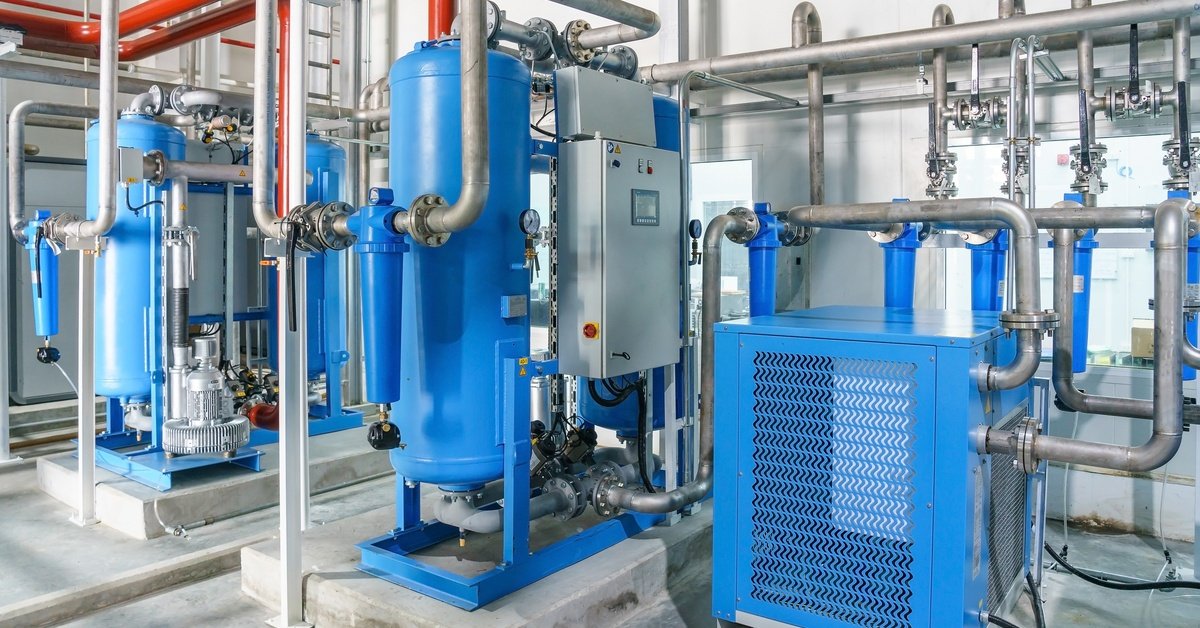
The most frequent cause of dryer failure is a simple lack of routine care. Like any mechanical system, air dryers rely on clean components to transfer heat effectively. If condenser coils become coated in dust or if drain traps clog with debris, the dryer cannot eject the accumulated moisture. A rigorous schedule for cleaning condensers and testing drain mechanisms is essential to prevent water from re-entering the downstream air supply.
Incorrect Dryer Selection
Choosing a dryer based solely on price or convenience rather than technical specification often leads to poor performance. If a dryer is undersized for the air compressor’s output, it simply cannot process the volume of air passing through it, leading to moisture carryover. It is vital to size the dryer according to the maximum airflow (CFM) and the maximum operating pressure to ensure it can handle the load.
Environmental Factors
The environment in which the dryer operates plays a massive role in its efficiency. High ambient temperatures can drastically reduce the cooling capacity of a refrigerated dryer. If the compressor room is poorly ventilated or reaches temperatures above 100°F, the dryer will struggle to reach the desired dew point. Ensuring adequate ventilation and keeping the ambient temperature within the manufacturer’s specified range is a critical step in knowing how to extend the life of your compressed air dryer.
Pre-Filter Issues
Pre-filters are the first line of defense, designed to trap oil, water mist, and particulates before they enter the dryer. When you neglect these filters, they become saturated and increase the pressure drop across the system. This forces the compressor to work harder and can allow contaminants to coat the dryer’s heat exchanger, reducing its efficiency. Regularly replacing filter elements is a small cost that prevents major system failures.
Overloading the Dryer
Overloading a dryer happens when the demand for air exceeds its capacity. System leaks or unauthorized equipment added to the line often cause this issue. When air rushes through the dryer too quickly, there is insufficient time for the cooling or desiccant process to remove the water vapor. Monitoring air demand and fixing leaks ensures the dryer operates within its designed parameters.
Protect Your Investment
Maintaining clean, dry air is not just about fixing issues as they arise; it is about proactive management. By understanding common compressed air dryer problems, you can ensure your facility operates smoothly and avoids costly interruptions. If you are unsure about the health of your air treatment system, contact a compressed air specialist today to schedule a comprehensive audit.