Fiber Conduit: What Is It and What Is It Used For?
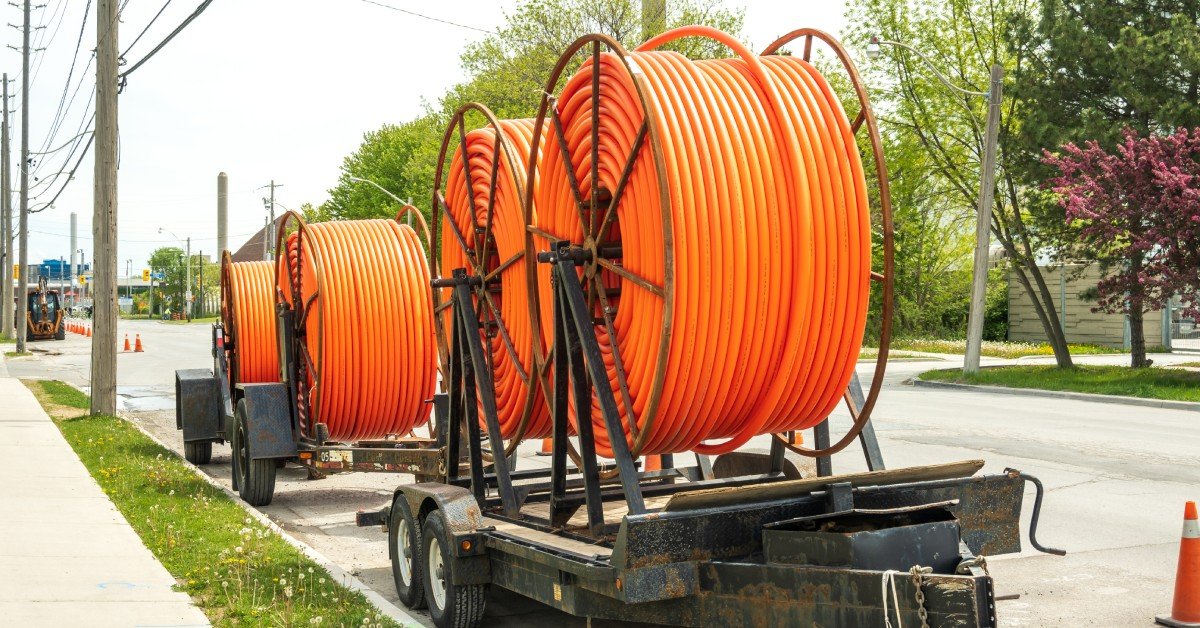
You likely see them on the side of the highway or near construction sites in your neighborhood: large spools of flexible, bright orange tubing. While they might look like simple plastic pipes, these tubes play a critical role in keeping the modern world connected. They are known as fiber conduits, and without them, the high-speed internet and telecommunication systems we rely on every day would face constant interruptions. Let’s explore what fiber conduit is and what it’s used for and why it matters to us in the first place.
What Exactly Is Fiber Conduit?
Fiber conduit is a protective tubing specifically designed to house fiber optic cables. Manufacturers typically produce these pipes using High Density Polyethylene (HDPE) or Polyvinyl Chloride (PVC). These materials offer flexibility and extreme durability, which makes them perfect for underground environments.
While you can find conduit in various colors, orange is the industry standard for telecommunications. The color-coding alerts construction crews and utility workers that the pipe contains communication lines, preventing accidental cuts during future excavation projects. The conduit acts as a permanent pathway, or a raceway, that runs underground, through walls, or even underwater.
The Primary Uses of Fiber Conduit
The main function of fiber conduit is protection. Fiber optic cables contain strands of glass no thicker than a human hair. While these cables transmit data at the speed of light, they are incredibly fragile. Direct burial of fiber cables exposes them to shifting soil, rocks, moisture, and gnawing rodents. Conduit provides a hard, physical barrier against these threats.
Beyond protection, conduit simplifies the installation process. Technicians install the conduit first, creating a clear, continuous path from point A to point B. Once the pipe is in place, they can easily slide the fiber optic cables through it. The smooth interior of the pipe is crucial for this step. It reduces friction, allowing for feeding pull tape without fiber damage, which ensures the delicate glass strands remain intact during installation.
This system also future proofs the network. If a cable fails or technology upgrades require new lines, workers do not need to dig up the entire street again. They simply pull the old cable out and slide the new one in through the existing conduit.
Why Infrastructure Relies on It
Telecommunication companies favor fiber conduit because it offers a cost-effective solution for long-term network management. The initial investment in conduit saves money on repairs and upgrades down the road.
Here are a few specific reasons why network planners prioritize conduit:
- Restoration Speed: Crews can repair damaged lines faster when they have easy access through conduit.
- Scalability: Companies can leave space in the conduit for additional cables later, allowing the network to grow with demand.
- Versatility: Installers can place conduit via directional drilling, which avoids tearing up sidewalks and driveways.
- Longevity: HDPE materials resist corrosion and chemical breakdown, lasting for decades underground.
As demand for faster internet speeds grows, cities continue to expand their fiber optic networks. Fiber conduit ensures that these expansions happen efficiently and securely. It bridges the gap between the physical ruggedness of the underground world and the delicate nature of high-tech data transmission. By understanding what fiber conduit is and what it’s used for, we can better appreciate the connections we maintain on a daily basis.