Effective Strategies Towns Use To Mitigate Flooding
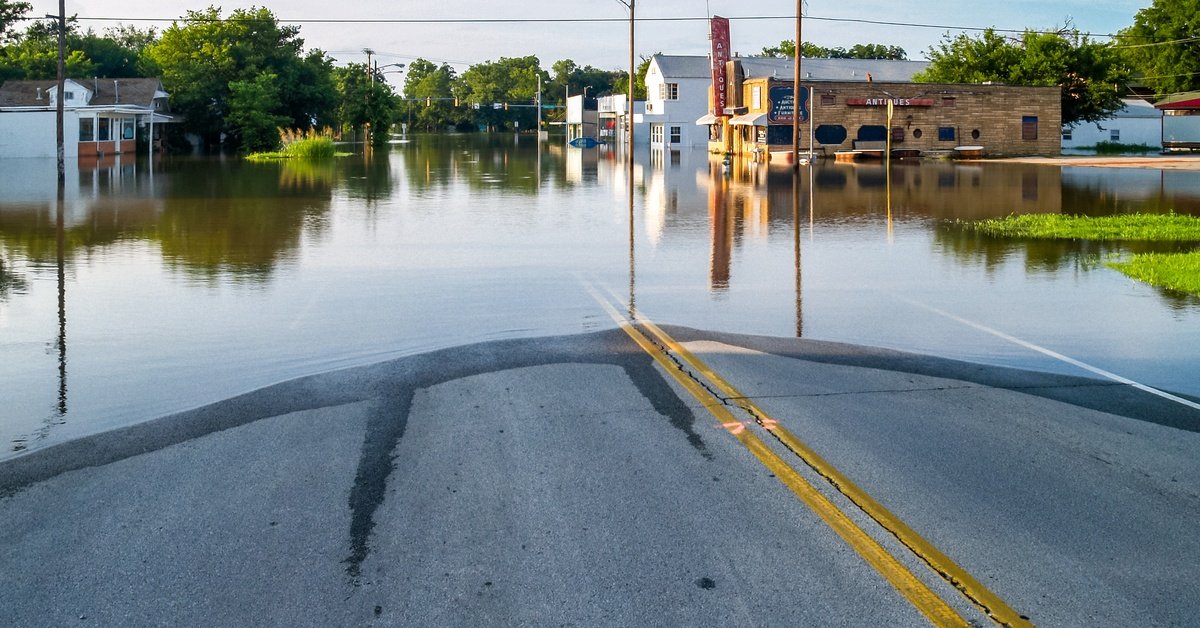
Heavy rains threaten infrastructure and safety worldwide. Local officials face the difficult challenge of managing excess water before it causes catastrophic damage. They employ specific techniques to redirect flow and protect property. These strategies towns use to mitigate flooding save millions of dollars in potential repairs.
Embracing Green Solutions
Concrete jungles create significant runoff issues. Rain hits the pavement and immediately searches for a low point. Cities now turn to permeable surfaces to combat this. Porous asphalt allows rain to seep directly into the ground.
Green roofs offer another layer of protection. Vegetation on top of buildings absorbs precipitation before it ever hits the streets. Rain gardens in public parks collect runoff from nearby roads. These natural sponges filter pollutants and reduce the volume of water entering storm drains.
Upgrading Gray Infrastructure
Traditional drainage systems often fail during modern superstorms. Engineers must constantly evaluate and upgrade pipes to handle increased capacity. Public works teams regularly clean catch basins to prevent clogs. Even a small blockage causes immediate backups during a downpour.
Surface grading plays a massive role in water management. Gravity moves water best, so engineers design roads and parking lots to slope away from buildings. They must carefully consider details like utility access points.
Engineers also use surface elevation to impact drainage. Correct grading direct runoff into storm drains, rather than allowing it to pool on the street.
Strategic Zoning and Planning
Thoughtful urban planning prevents disasters before they start. Officials often restrict new construction in high-risk floodplains. Keeping buildings out of these zones reduces the risk to human life. It also preserves natural wetlands that act as buffer zones.
Some towns implement buyout programs. The local government purchases homes that flood repeatedly. They then demolish the structures and return the land to nature. This action permanently removes residents from harm’s way.
Building Physical Barriers
Many communities rely on levees and floodwalls. These structures hold back rising rivers and lakes. Pumps help these barriers by moving water over the walls and away from dry land. While expensive, these engineered defenses provide robust protection for densely populated areas.
Retention ponds also serve a vital function. Towns dig large basins to hold stormwater temporarily. The ponds fill up quickly during a storm and release water slowly over time, preventing local waterways from overwhelming their banks all at once.
A Dry Future
Climate patterns continue to shift, bringing more frequent storms. Municipalities must adapt their defenses to match this new reality. The most successful strategies towns use to mitigate flooding involve a combination of engineering, nature, and smart planning. Residents rely on these systems to keep their homes safe and dry.