Common Health Risks in the Manufacturing Industry
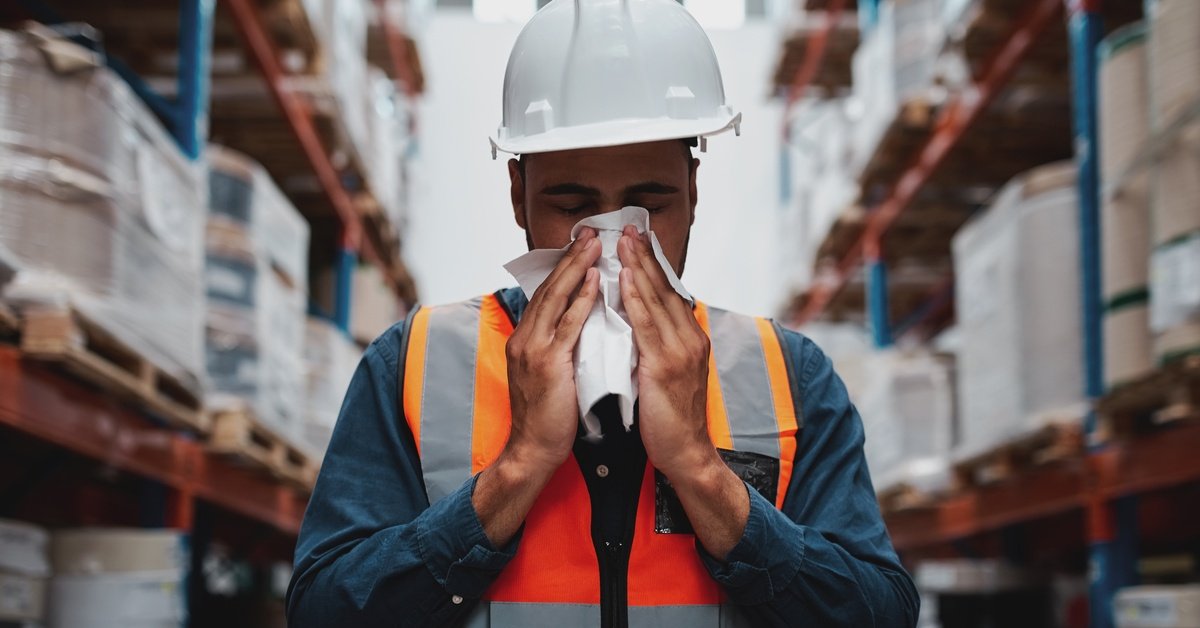
Manufacturing environments power modern economies, yet they also expose workers to hazards that can affect both short- and long-term well-being. Fast-paced production lines, heavy machinery, and continuous physical demands create conditions where injuries and illnesses can develop if not carefully managed.
The common health risks in the manufacturing industry often go unnoticed until symptoms worsen, which makes awareness and prevention essential. By understanding these risks, companies and employees can take meaningful steps to create safer, more sustainable workplaces.
Exposure to Airborne Contaminants
Air quality plays a critical role in employee health within manufacturing settings. Processes such as cutting, welding, and chemical treatment release fine particles and fumes into the air. Workers who breathe in these contaminants over time may experience respiratory irritation or more serious complications.
Facilities that prioritize ventilation and recognize the importance of professional air filtration can greatly reduce these dangers. Cleaner air supports respiratory health and improves overall comfort and productivity on the floor.
Repetitive Motion and Physical Strain
Manufacturing tasks often require workers to repeat the same movements throughout long shifts. Whether lifting materials, assembling parts, or operating tools, these repetitive actions can strain muscles and joints. Over time, workers may develop chronic pain, stiffness, or mobility issues that impact their ability to perform daily tasks.
Employers can help reduce these risks by implementing ergonomic equipment, adjusting workstation heights, and encouraging movement throughout the day. Workers who maintain proper posture and take short breaks can also reduce the impact of repetitive strain.
Noise and Hearing Damage
High noise levels remain a constant concern in many manufacturing environments. Machinery, tools, and production processes generate sound that can damage hearing when exposure continues without protection. Hearing loss often develops gradually, making it difficult for workers to notice the early signs.
Employers who provide protective equipment and enforce its use can significantly reduce this risk. Maintaining equipment and designing workflows that minimize unnecessary noise can also create a healthier work atmosphere.
Chemical Contact and Skin Health
Handling industrial substances exposes workers to chemicals that may irritate or harm the skin. Contact with these materials can lead to burns, dryness, or allergic reactions. Even minor exposure over time can cause lasting damage if workers do not use proper protection.
Training programs that teach safe handling procedures and encourage consistent use of gloves or protective clothing can reduce incidents. Clean workspaces and accessible washing stations also support better hygiene and safety.
Mental Health and Workplace Conditions
Manufacturing jobs can challenge employees mentally as well as physically. Long hours, strict production targets, and repetitive routines may lead to stress or fatigue. When stress builds, it can affect focus and increase the likelihood of mistakes or accidents.
Supportive leadership, clear communication, and realistic expectations help create a more balanced work environment. Workers who feel valued and supported tend to remain more engaged and resilient.
Prioritizing Long-Term Worker Health
Reducing the common health risks in the manufacturing industry requires ongoing effort from both employers and employees. When organizations invest in safety measures and workers stay informed, they create an environment where health and productivity can thrive together.