Surfshark launches Dausos protocol with faster speeds and quantum-secure encryption
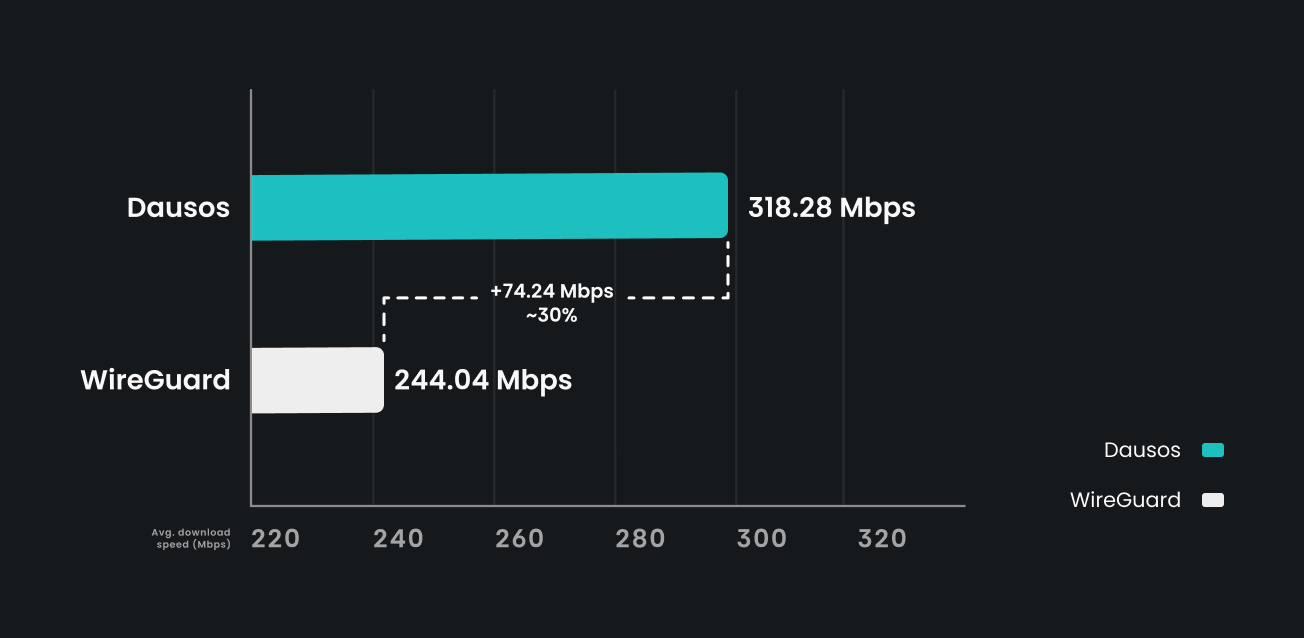
Surfshark has introduced a new VPN protocol aimed at redefining speed, privacy, and security, with company engineers saying Wednesday, April 15, 2026, that the technology could reshape how users experience encrypted internet connections.
The protocol, called Dausos, departs from traditional VPN systems that route all user traffic through a shared digital tunnel. Instead, it assigns each user a dedicated private tunnel, a shift designed to improve both performance and data isolation.
According to Surfshark, this architecture enables speeds up to 30 percent faster than existing top VPN protocols while reducing congestion and improving connection stability.
Karolis Kaciulis, Leading System Engineer at Surfshark, said the protocol enhances three key areas: speed, security, and reliability. He added that Dausos automatically configures a dedicated data tunnel while ensuring uninterrupted connectivity.
Dedicated tunnels and adaptive performance
Dausos introduces a new approach by isolating each user’s data traffic and dynamically adjusting to network conditions and device capabilities. This allows the protocol to distribute data packets more efficiently based on real-time performance needs.
Kaciulis said the design minimizes the already low risk of cross-traffic exposure by ensuring each user operates within a clean and private data path. He added that eliminating redundant packet checks also contributes to improved speeds and smoother performance.
The protocol further strengthens security through port randomization, assigning a different connection port for every session. This makes tracking and interception significantly more difficult compared to traditional fixed-port VPN systems.
Built for the quantum era
Beyond speed improvements, Surfshark emphasized that Dausos is built with future threats in mind, particularly the rise of quantum computing. The protocol incorporates post-quantum cryptographic standards to secure communications against next-generation attacks.
It uses a hybrid key exchange system combining X25519 with ML-KEM, a NIST-approved post-quantum encryption method. This ensures protection against both current cybersecurity threats and future quantum-based attacks.
Dausos also introduces post-compromise security, generating entirely new encryption keys for every session and re-keying event. This means that even if one key is compromised, it cannot be used to access past or future communications.
Surfshark said it also developed its own root certificate authority system using the ML-DSA signature scheme, further strengthening identity verification for secure connections.
The protocol is powered by the AEGIS-256X2 encryption algorithm, which the company said delivers high-speed, authenticated encryption while maintaining strong security standards.
Dausos has undergone an independent audit by Berlin-based cybersecurity firm Cure53, which reported no critical or high-severity vulnerabilities. Surfshark has also filed a patent application for the protocol’s architecture.
The new protocol is currently available for macOS users, with broader platform support expected in the near future.