A Guide to the Most Common HVOF Thermal Spray Coatings
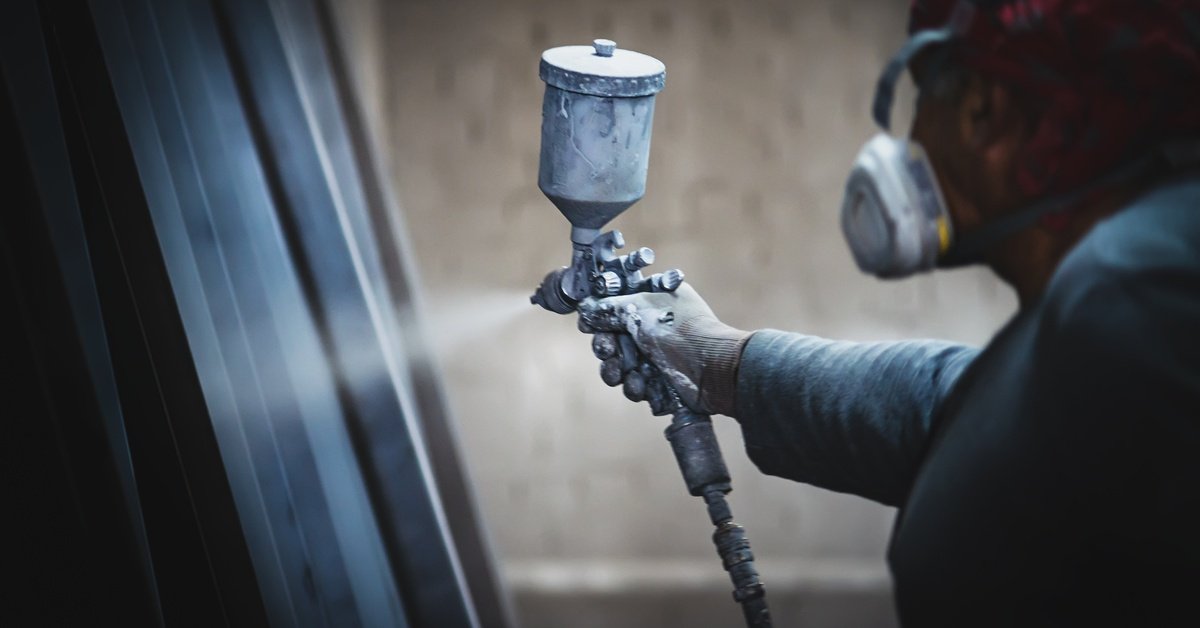
High velocity oxygen fuel spraying produces dense, durable surface layers that protect components from wear, corrosion, and extreme heat. Manufacturers rely on the most common HVOF thermal spray coatings to extend equipment life, reduce downtime, and improve overall performance in harsh operating environments. By accelerating powdered materials to very high speeds and bonding them to prepared surfaces, HVOF technology creates coatings with exceptional adhesion and low porosity. Understanding the leading coating options helps engineers select the right material for demanding industrial applications.
Tungsten Carbide Coatings
Tungsten carbide remains one of the most widely specified materials in HVOF applications. It delivers outstanding resistance to abrasion, erosion, and sliding wear. Operators often apply tungsten carbide-cobalt or tungsten carbide-cobalt-chrome blends to hydraulic rods, pump components, and aerospace parts that face continuous friction.
This coating performs well in environments where hard particles or repeated mechanical contact threaten base materials. Its dense microstructure resists cracking and surface breakdown, which allows components to maintain tight tolerances over long service periods. Industries choose tungsten carbide when wear protection stands as the top priority.
Chromium Carbide Coatings
Chromium carbide coatings excel in high-temperature environments where oxidation and corrosion present serious concerns. These coatings typically include a nickel-chromium binder that enhances toughness and corrosion resistance. Engineers frequently specify chromium carbide for boilers, turbines, and exhaust components that operate under elevated heat.
Unlike some wear-resistant materials, chromium carbide maintains stability at higher temperatures. It protects surfaces against both abrasive wear and chemical attack, making it a strong choice for industrial processing equipment. When applications demand a balance of heat resistance and durability, chromium carbide often delivers reliable performance.
Stainless Steel and Nickel-Based Alloys
Stainless steel and nickel-based alloy coatings provide versatile protection against corrosion and moderate wear. These materials resist moisture, chemicals, and salt exposure, which makes them suitable for marine, oil and gas, and power generation environments.
Nickel-based alloys offer strong resistance to oxidation and thermal cycling. They also bond effectively to a wide range of substrates. Many facilities rely on professional HVOF coating services to apply these alloys when they need to restore worn components or add corrosion protection without replacing expensive equipment.
Cobalt-Based Alloys
Cobalt-based alloys, often known for their high strength and toughness, perform well under combined wear, heat, and corrosion conditions. These coatings maintain hardness at elevated temperatures and resist galling and metal-to-metal wear.
Manufacturers frequently apply cobalt alloys to valve components, cutting tools, and engine parts. Their ability to retain mechanical properties under stress makes them valuable in heavy industrial and energy applications. When equipment must endure both impact and heat, cobalt-based coatings provide dependable reinforcement.
Choosing the Right Coating
Selecting the right material requires careful evaluation of operating temperature, wear type, corrosive exposure, and mechanical stress. Each application presents unique challenges, and the most common HVOF thermal spray coatings address different performance priorities. By matching coating properties to service conditions, companies improve reliability, reduce maintenance costs, and extend the functional life of critical components.