How Precious Metals Hedge Against Inflation in 2026
Prices are rising everywhere you look, from the grocery store to the gas pump. Inflation erodes purchasing power, making a dollar today worth less tomorrow. Hedging acts as a financial defense strategy, protecting wealth against this decline. Investors often turn to tangible assets that hold intrinsic value when currency fluctuates. Here’s how precious metals hedge against inflation in 2026.
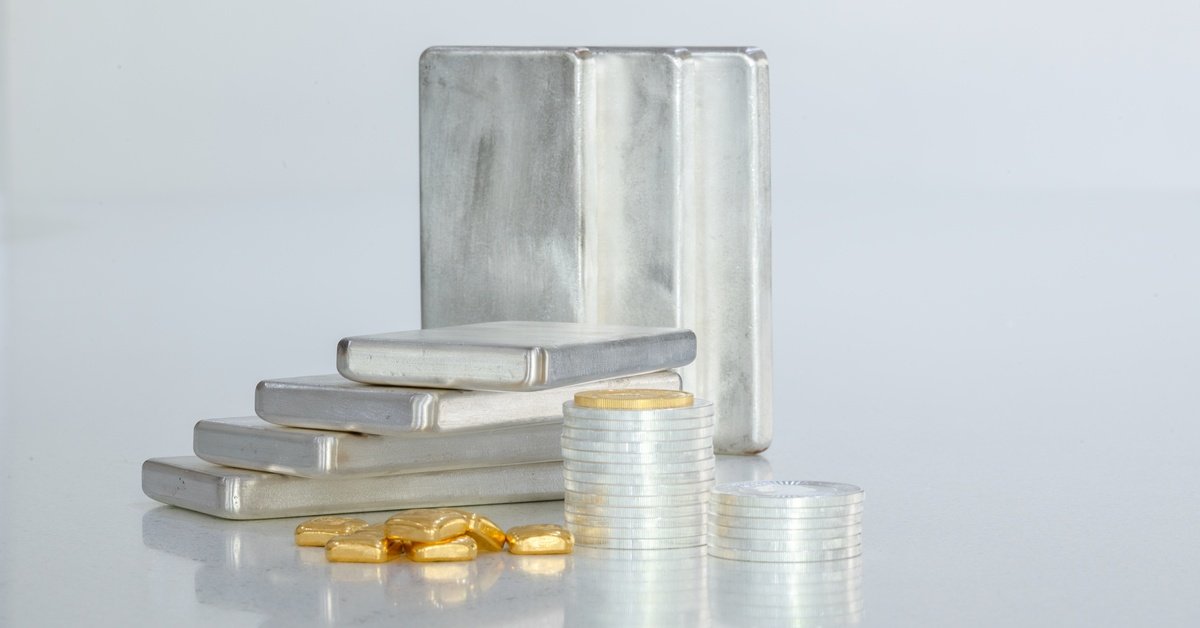
Gold: The Traditional Safe Haven
Gold has maintained its reputation as a reliable store of wealth throughout history. During periods of high inflation, the price of gold typically rises while paper currency loses value. This inverse relationship makes it a popular choice for preserving capital. Investors appreciate its liquidity and global acceptance.
However, owning physical gold comes with storage and insurance costs. Unlike stocks or bonds, gold does not generate dividends or interest, meaning its value relies solely on price appreciation. Despite these drawbacks, many view gold as an essential component of a defensive portfolio.
Silver: The Industrial Metal
Silver plays a unique dual role in the market. It functions as both a precious metal and an essential industrial material. Manufacturers use silver in electronics, solar panels, and medical devices, driving demand beyond simple investment. This industrial utility means silver prices can rise during economic expansion, even if inflation remains low.
Conversely, economic downturns can dampen industrial demand, potentially increasing volatility compared to gold. For investors willing to accept higher risk, silver offers significant potential for price appreciation.
Platinum and Palladium: The Auto Catalysts
Platinum and palladium derive much of their value from the automotive industry. Carmakers use these metals in catalytic converters to reduce emissions. Stricter environmental regulations worldwide continue to drive demand for cleaner vehicles, supporting prices for these metals.
Supply constraints, often due to mining challenges in major producing regions, can lead to sharp price spikes. However, the shift toward electric vehicles poses a long-term risk, as EVs do not require catalytic converters. Investors must weigh these supply dynamics against the evolving landscape of global transportation.
Diversifying Your Portfolio With Precious Metals
Putting all capital into a single asset class increases risk. Allocating a portion of a portfolio to precious metals can reduce overall volatility. Financial advisors often suggest limiting this allocation to between 5 percent and 10 percent, depending on individual risk tolerance. Conservative investors might lean heavily toward gold, while those seeking growth might include silver or platinum.
Regularly rebalancing the portfolio maintains the desired asset mix as prices fluctuate. This disciplined approach helps manage risk while maintaining exposure to potential gains. Discussing how precious metals and your retirement plans align with a financial advisor can clarify the best strategy for your specific situation.
Inflation poses a persistent challenge to wealth preservation, but precious metals offer a time-tested solution. Gold provides stability, silver offers growth potential through industrial use, and platinum group metals present unique opportunities tied to the automotive sector. Building a diversified portfolio that includes these metals can protect purchasing power and strengthen financial resilience. Evaluate your current investment strategy today to see if precious metals can help secure your financial future.