Applications of Traceable Gas Mixtures Across Industries
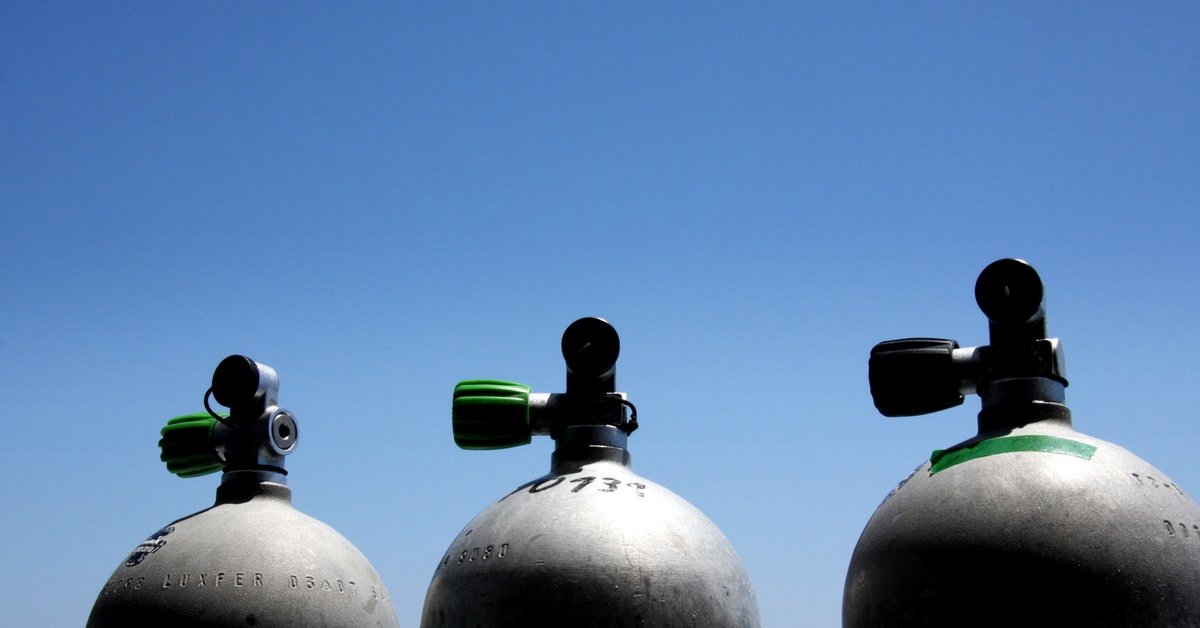
Precise measurement isn’t just about getting the numbers right—it’s about safety, compliance, and innovation. Traceable gas mixtures, which are calibration standards with a known concentration of components linked to national or international standards, play a silent but critical role in keeping our world running. While you might not see them, these mixtures are complex at work behind the scenes in almost every primary sector. Let’s explore how different industries rely on traceable gas mixtures to maintain standards and drive progress.
Environmental Monitoring
Keeping the air we breathe clean requires rigorous testing. Environmental agencies and private companies use gas mixtures to calibrate the analyzers that monitor pollution levels in our cities. Whether checking for nitrogen oxides near a highway or sulfur dioxide from a factory smokestack, accurate data depends on precise calibration. This process confirms that the sensors detecting pollutants are telling the truth, allowing regulators to enforce air quality standards effectively. Without this verification, emission data would be unreliable, making it impossible to manage ecological impact or protect public health.
Oil and Gas Operations
In the oil and gas sector, safety is paramount. Operators rely on traceable calibration gases to monitor for dangerous leaks and verify pipeline integrity. Detectors calibrated with specific mixtures identify the presence of combustible gases like methane or toxic substances like hydrogen sulfide before they reach hazardous levels. This application protects workers on rigs and in refineries while also preventing environmental disasters. By maintaining accurately calibrated equipment, companies can respond to leaks immediately, securing both their infrastructure and the surrounding environment.
Chemical Manufacturing
Efficiency defines success in the chemical industry. Manufacturers use common traceable gas mixtures to fine-tune their processes and guarantee product quality. For instance, when producing petrochemicals or specialty polymers, analyzers must track reaction conditions in real-time. If an analyzer drifts from its calibration, the entire batch could fail to meet specifications, resulting in significant waste. Regular calibration with traceable standards keeps these instruments sharp, allowing chemical engineers to optimize yields and maintain consistent quality in their final products.
Healthcare and Medicine
In hospitals, accurate gas delivery can be a matter of life and death. Medical professionals use traceable mixtures to calibrate the devices that administer anesthesia and respiratory therapy. An incorrect mixture of oxygen and nitrous oxide during surgery could have severe consequences. By calibrating equipment with precise standards, biomedical technicians verify that patients receive exactly what the doctor prescribed. Furthermore, laboratories use these mixtures to calibrate blood gas analyzers, providing physicians with the critical diagnostic information they need to treat patients effectively.
Automotive Testing
Car manufacturers face strict regulations regarding tailpipe emissions and fuel efficiency. To meet these targets, engineers use gas mixtures to calibrate the exhaust gas analyzers in their testing facilities. This testing occurs during the research and development phase and continues through to final production checks. By analyzing the exact composition of exhaust fumes, automakers can tune engines for better performance and lower environmental impact. This rigorous testing guarantees that vehicles comply with global emission standards before they ever hit the road.
The Future of Measurement
From cleaning up our air to powering our cars and protecting patients, traceable gas mixtures are indispensable tools for many industries. As industries evolve and regulations tighten, the demand for even higher precision will likely grow. If you need to verify the accuracy of your critical instruments, reach out to our team today to discuss your specific calibration needs.