Israel launches first national psychoeducation campaign after Oct. 7 trauma
Israel launched its first nationwide psychoeducation initiative as a broad coalition of healthcare providers, government agencies, civil society groups and philanthropies moved to address the country’s growing mental health needs after the Oct. 7 Hamas attacks and the ongoing war. The campaign brings together institutions that rarely coordinate around a shared public mental health response.
The initiative, titled “How Are You,” is led by ICAR Collective and unites health maintenance organizations, government ministries, local authorities and nonprofit organizations. Organizers said the effort is designed to improve mental health literacy, reduce stigma and help people recognize when and how to seek support.
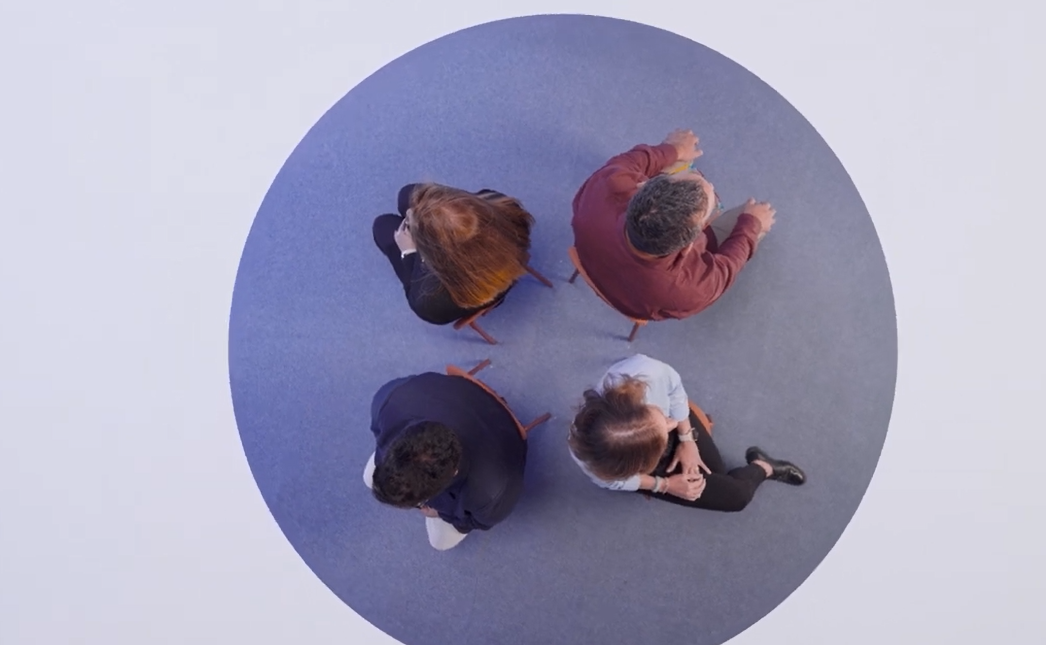
“Trauma recovery cannot rely on clinics alone,” said ICAR Collective Co-Founder and Executive Director Gila Tolub. “When people understand what they are experiencing and know their reactions are normal, they are more likely to reach out and help one another.” The statement reflects the campaign’s emphasis on normalizing emotional responses to crisis.
Survey reveals awareness-action gap
The campaign was informed by a national psycho-trauma survey conducted by ICAR Collective, with 915 respondents representative of the Israeli population. The research assessed mental health literacy, stigma, coping behaviors and readiness to access care since Oct. 7, 2023.
Findings showed strong general awareness but limited practical knowledge. About 85 percent said they understand that mental health affects daily functioning and can be treated, and roughly 75 percent believe psychotherapy and medication are effective.
However, only around 60 percent reported knowing where to seek help, and only about half believed people with severe mental health conditions can fully recover. Despite this, 70 percent said they would be open to professional support if distressed.
Nearly 80 percent reported not accessing any mental health services in the past year. Among those with poor emotional well-being, only about half sought care.
Common barriers included a belief in self-coping, doubts about effectiveness, cost, long wait times, lack of information and stigma. These obstacles continue to discourage early engagement with professional services.
“The data shows a clear gap between awareness and action,” said ICAR Collective Co-Founder and Director of Medical and Scientific Affairs Prof. Eyal Fruchter. He said uncertainty and stigma still prevent many people from reaching out.
From research to national response
Over recent months, ICAR Collective and its partners translated the findings into practical, evidence-based messages. This process included mapping existing psychoeducation efforts and developing short public-facing guidance.
The campaign features 28 filmed mental health professionals delivering core messages. It runs across prime-time television on seven channels, digital platforms, health organizations and community networks.
A central online toolbox, available at hru.org.il, offers self-assessment tools, instructional videos, coping strategies and pathways to professional support.
Partners include major Israeli health funds, local authorities, trauma and resilience organizations, and multiple government bodies. Funding comes from both international Jewish federations and local institutional supporters.
“Our campaign reflects a growing recognition that large-scale psychoeducation can strengthen resilience and ease pressure on a strained mental health system by encouraging earlier access to care,” said ICAR Collective Co-Founder and Director of Advancement Lisa Silverman. The approach aims to guide people toward help before conditions escalate.
ICAR Collective, formed after the national trauma of Oct. 7, works to align public health, academic and nonprofit efforts. The group aims to build a long-term, science-backed roadmap for Israel’s trauma recovery.