The Pros and Cons of Investing in Undeveloped Land
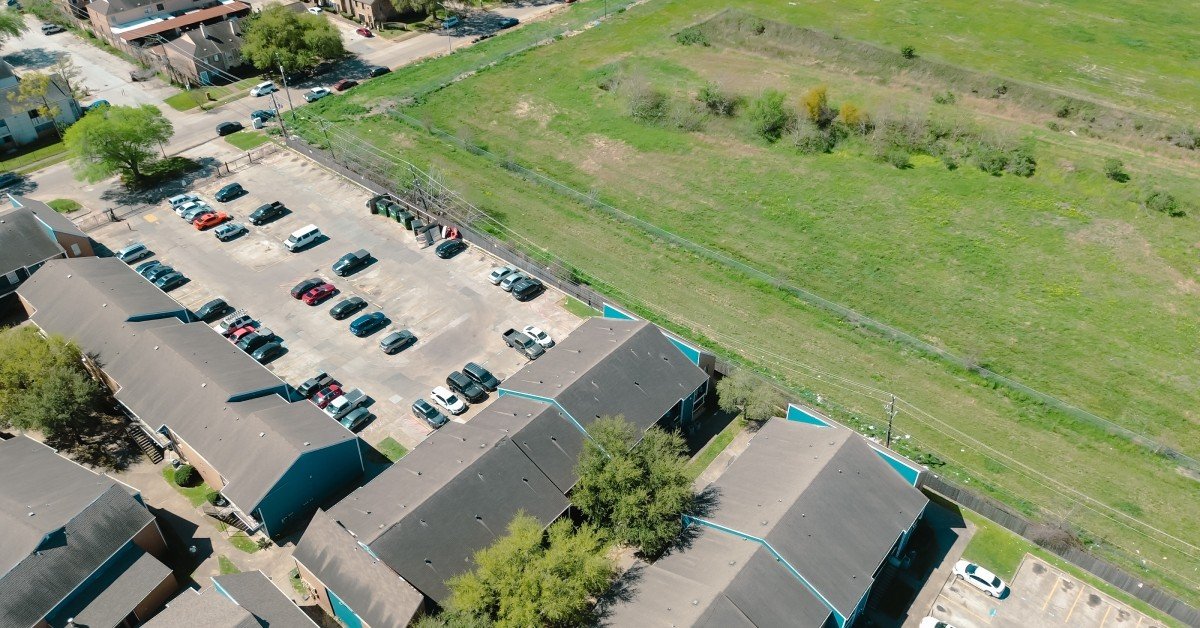
Real estate investment conjures images of sleek apartment complexes, bustling retail spaces, or charming suburban homes. However, a quieter, frequently overlooked opportunity lies in undeveloped land. Before you stake your claim, you must understand the unique financial and logistical landscape of raw land. Keep reading to understand the pros and cons of investing in undeveloped land.
The Advantages of Raw Land
When you purchase raw land, you’re buying a blank slate of land. This untouched canvas is more affordable, flexible, and has an immense investment potential.
Affordability
The most immediate appeal of undeveloped land is its price. Compared to developed properties, raw land typically requires a much lower initial capital investment. You aren’t paying for the building’s bricks, mortar, or prior renovations. This lower barrier to entry allows investors with smaller budgets to enter the real estate market.
Return-on-Investment Potential
The potential for high returns on raw land is significant. If you purchase land in an area poised for growth—just before urban sprawl reaches it—the value can skyrocket. You might buy a plot cheaply today and sell it to a developer for a substantial profit in five or ten years.
Flexibility
Finally, raw land offers immense freedom. When you buy a house, you buy someone else’s vision. When you buy land, you purchase potential.
You can hold it, build your dream home on raw land, rezone it for commercial use, or sell it to a developer who aligns with your goals. It’s the most flexible asset you can invest in in real estate.
The Downsides to Consider
While there are many pros to investing in undeveloped land, there are also cons to consider. Investing in raw land means you’ll need to have patience for a return on your investment, you could face zoning challenges, and you’ll still have to pay property taxes without any immediate revenue.
No Immediate Return
The most obvious drawback to buying raw land is the lack of immediate income. Unlike a rental property that generates monthly cash flow, raw land yields no cash flow. It does not generate revenue unless you lease it for specific uses, such as farming or hunting, which is not always feasible.
Zoning Challenges
Zoning and regulations are another major hurdle. Just because you own the land doesn’t mean you can build whatever you want. Local zoning laws dictate land use, and changing these designations can be a long, expensive, and uncertain bureaucratic process. You might find yourself stuck with a plot of land you cannot develop as you want.
Tax Considerations
Even though property taxes are generally lower, they still exist. You must pay these annually, with no rental income to offset the expense, meaning the land will cost you out-of-pocket every year you hold it.
Weighing Your Options
Investing in undeveloped land is a long-term game. It suits the patient investor who can afford to park capital in an illiquid asset without needing immediate cash flow.
If you have the vision to spot future growth trends and the patience to navigate zoning laws, raw land can be a lucrative addition to your portfolio. However, if you need immediate income or dread navigating municipal red tape, developed real estate might be the safer path.