Unas Canvas turns banana waste into livelihoods for Filipino communities
The Philippines continues to grapple with the challenge of creating sustainable employment as millions remain without work. Data released by the Philippine Statistics Authority on Nov. 6, 2025 showed unemployment at 3.8 percent in September, translating to nearly two million Filipinos seeking stable livelihoods.
This ongoing concern has pushed innovators to explore solutions that combine economic opportunity with environmental responsibility. One such initiative is Unas Canvas, a homegrown innovation that transforms dried banana leaves into a durable, eco-friendly material.
Unas Canvas was developed by Filipino innovator Ms. Julienne Stephanie Fabie-Agapin, a Chemistry graduate of the University of the Philippines Visayas. Rather than beginning in a laboratory, the concept emerged from a real-world problem rooted in agricultural waste and community displacement.
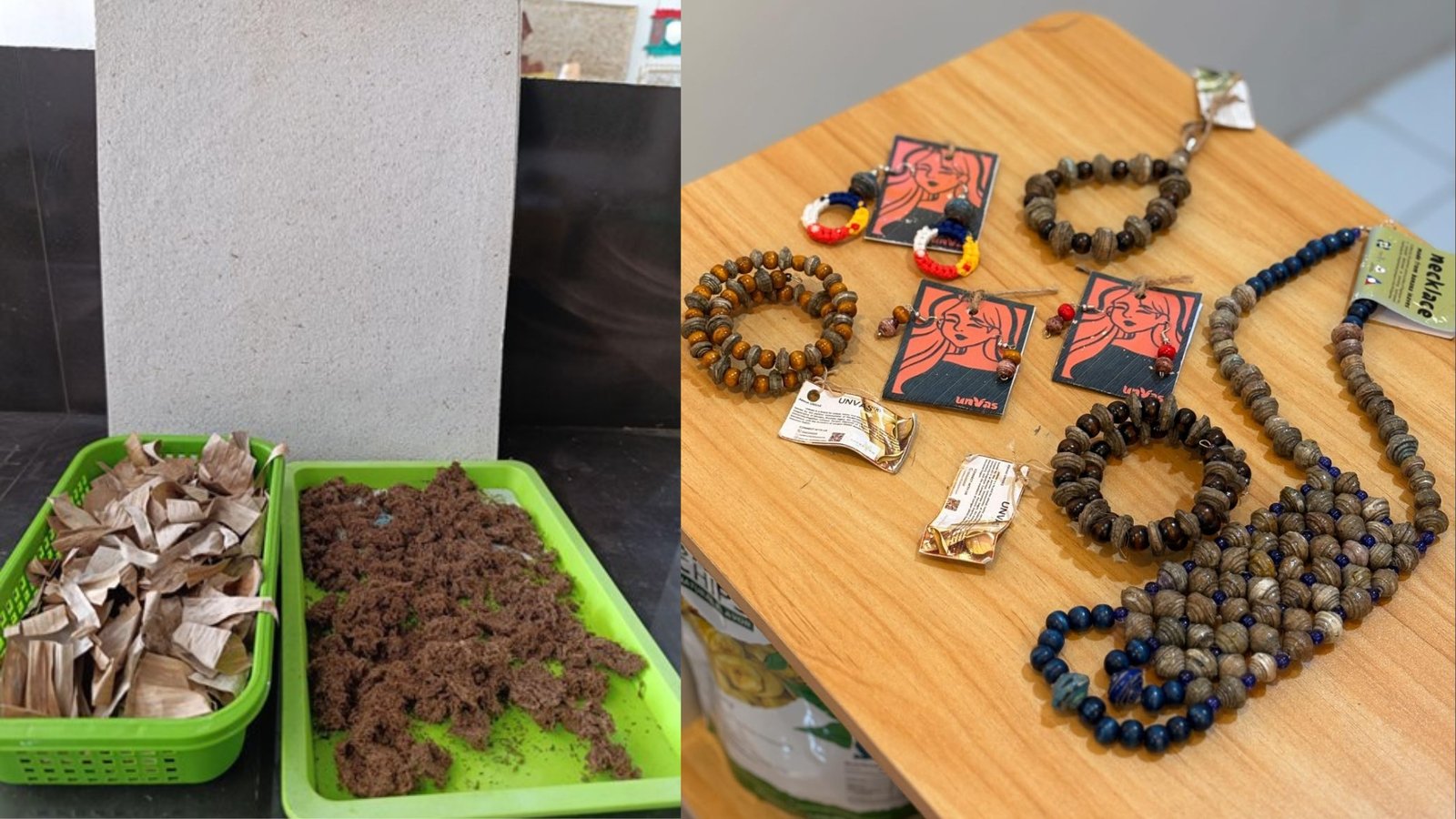
From agricultural waste to usable material
In 2021, Fabie-Agapin, then an associate professor at Western Mindanao State University in Pagadian, was approached by cooperative leader Jimmy Sorabia. He represented displaced overseas Filipino workers seeking livelihood opportunities and challenged her to find value in dried banana leaves, a resource often burned or discarded.
Recognizing both the environmental harm and lost economic potential, Fabie-Agapin began experimenting with the material. The result was Unas Canvas, a paper-like sheet strong enough to be crafted into home goods, accessories, and wearable items.
By converting banana leaf waste into a usable product, Unas Canvas reduces pollution while opening income streams for partner communities. The initiative allows locals to participate directly in production, turning a previously harmful byproduct into a valuable resource.
Community impact and national recognition
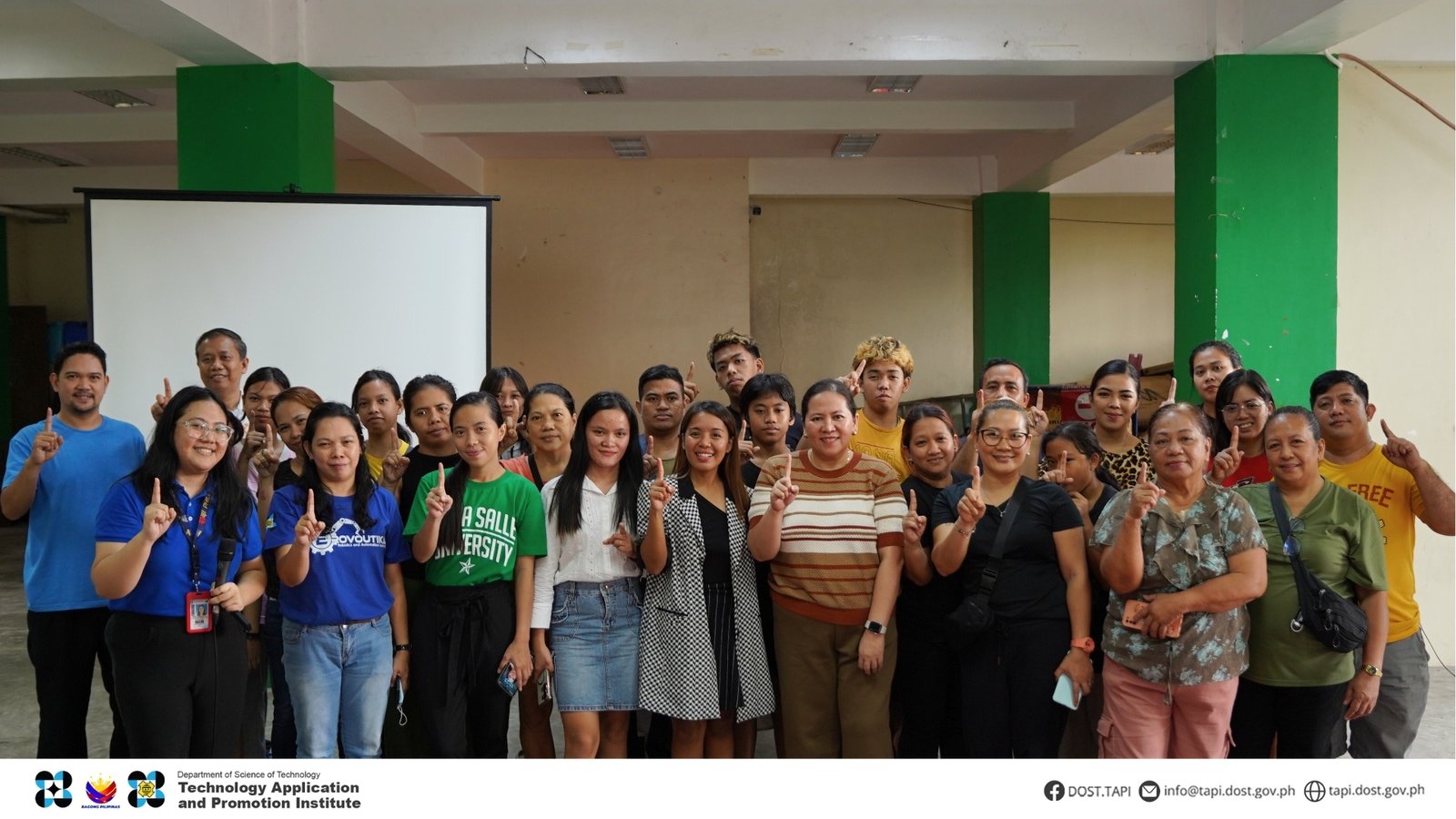
The social impact of Unas Canvas became evident during a community-based production training held at the Gumamela Neighborhood Association Housing Cooperative on Nov. 15–16, 2025. Senior participants described the experience as empowering, noting pride in producing high-quality goods that are distinctly Filipino-made.
Support from the Department of Science and Technology–Technology Application and Promotion Institute helped move the innovation forward. Through the GALING Program, Fabie-Agapin improved the technology readiness level of Unas Canvas and conducted early market validation to ensure its commercial viability.
Unas Canvas also gained international attention after earning a Silver Award at the 2024 Korea International Women’s Invention Exhibition. Further backing through DOST-TAPI’s HIRANG 2.0 program strengthened its investment readiness and positioned the innovation for broader adoption.
Today, Unas Canvas stands as a model of how science, sustainability, and community collaboration can intersect. By transforming waste into opportunity, the initiative addresses unemployment while promoting environmental stewardship across Filipino communities.