Can You Really Avoid Potholes? What To Know
Potholes pose a persistent threat to drivers, causing costly damage to vehicles every year. While completely avoiding them is nearly impossible, understanding how to navigate roads riddled with them can significantly reduce your risk of tire, wheel, and suspension damage. Now, the million-dollar question: can you really avoid potholes? Here’s what to know.
Identifying Potholes Safely
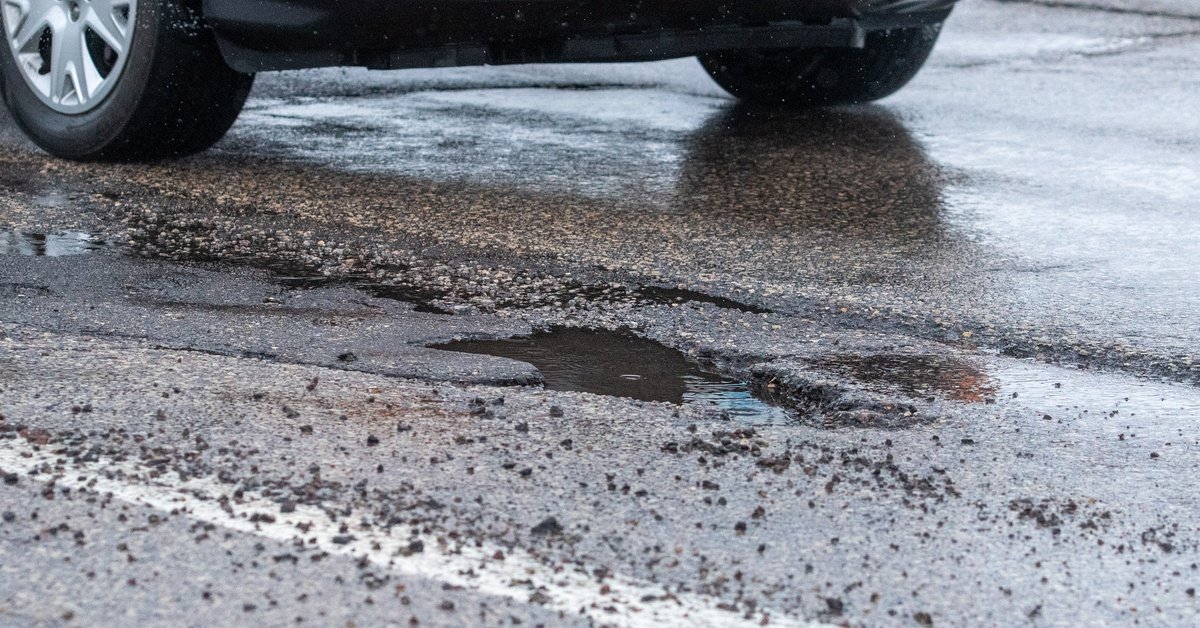
The first step in avoiding pothole damage is learning how to spot them from a distance. Actively scan the road ahead, paying close attention to the surface. Look for dark patches, standing water, or changes in the pavement texture, as these often indicate a pothole.
Maintaining a safe following distance from the vehicle in front of you provides more time to see and react to hazards. Watching how the car ahead navigates can also alert you to upcoming potholes you might not have seen otherwise.
Defensive Driving Techniques
Once you spot a pothole, your reaction matters. Avoid swerving abruptly, as this can cause a more serious accident, especially in heavy traffic. If the lane next to you is clear, a gentle and controlled lane change is the safest option. If you cannot change lanes, slow down as much as possible before you reach the pothole.
Release the brakes just before impact to allow your suspension to absorb the jolt more effectively. Hitting a pothole at high speed or with your brakes engaged increases the force of the impact and the likelihood of damage.
Why You Can’t Avoid Them All
Despite your best efforts, you will eventually hit a pothole. Road conditions affect your car’s alignment, and a single severe impact can be enough to throw it off. Some potholes are difficult to see, especially at night or during poor weather like heavy rain. Puddles can easily hide deep craters, turning a seemingly minor splash into a major problem.
Sometimes traffic conditions simply do not allow for evasive maneuvers. Recognizing these limitations helps you focus on what you can control: driving defensively and maintaining your vehicle.
After an Impact
If you hit a pothole hard, you should check your vehicle for damage as soon as it is safe to do so. Key signs of a problem typically include:
- A visible bulge on the tire’s sidewall
- A bent wheel rim
- The vehicle pulling to one side
- Unusual vibrations or noises while driving
If you notice any of these issues, take your car to a mechanic for an inspection. Ignoring pothole damage can lead to more significant and expensive problems down the road, including tire blowouts or suspension failure.
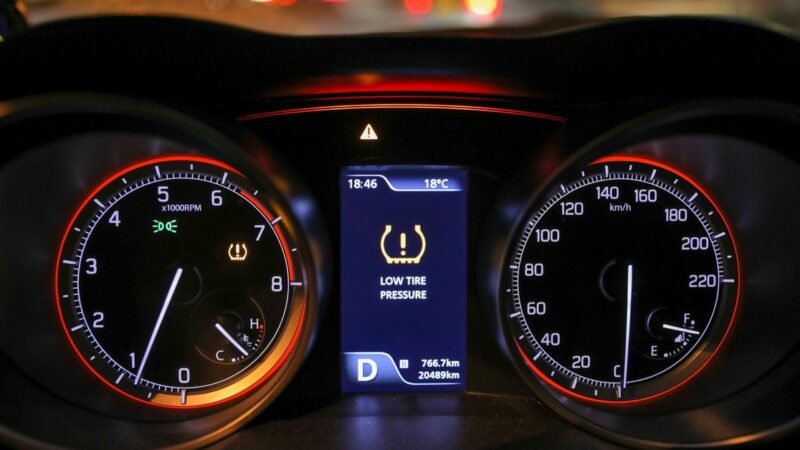
While you can’t control the quality of the roads, you can take steps to protect your car. Keeping your tires properly inflated helps them withstand impacts better. Regularly checking your vehicle’s alignment and suspension can also identify and fix minor issues before they become major ones.
By staying alert and practicing safe driving habits, you can minimize the financial and physical toll that potholes take. So can you really avoid potholes? Hopefully this exploration helps you understand exactly how and when.