Philippines’ unified 911 adds hyperconverged analytics for faster emergency response
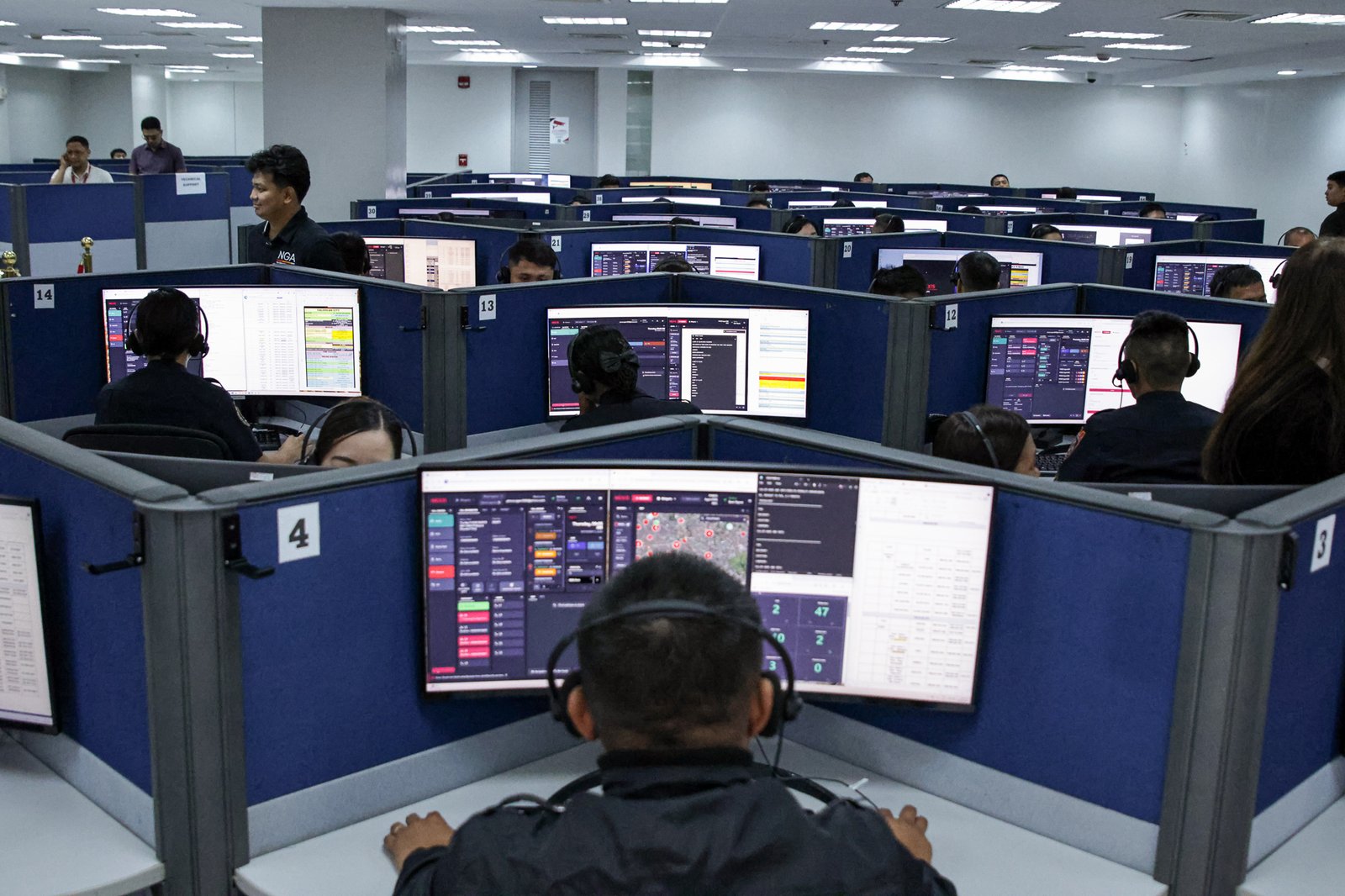
The country’s unified 911 emergency response system has taken a huge leap forward just months after its launch, with hyperconverged analytics now being integrated into the Unified Emergency 911 National Command Center in Manila and its first regional hub in Cebu.
The technology combines real-time analytics, data automation, and intelligent processing to help emergency teams react faster, make smarter decisions, and coordinate responders more efficiently. It marks a significant modernization move as the Philippines works to streamline public safety operations nationwide.
Hyperconverged analytics to transform emergency response
Department of Interior and Local Government (DILG) Secretary Jonvic Remulla emphasized the importance of a unified emergency hotline, noting how 911 simplifies and speeds up public safety coordination.
“The Philippines is a very complicated country that becomes even more complicated with emergency response. Today, we have one number, and that is 911,” Remulla said. He added that minimizing response delays builds public trust and ensures families feel safer anywhere in the country.
Unified 911 Emergency Office Executive Director Francis Fajardo shared strong early results, revealing a 96.56% efficiency rate so far — nearly double last year’s figure — and over 1.76 million calls handled since the September launch. He pointed to real-time data insights as a key factor in faster and smarter emergency handling.
NGA 911 Philippines country head Robert Llaguno explained that hyperconverged analytics merges call center data, emergency reports, and response metrics to spot patterns, identify high-risk areas, and guide resource deployment. Tests are also underway to integrate social media alerts, IoT systems, and CCTV feeds for near real-time situational awareness.
AI-driven decision-making to boost disaster readiness
To complement real-time command center analytics, AWS will support historical data storage and long-term forecasting. This hybrid setup allows emergency teams to act instantly while preparing for future risks more effectively.
Llaguno stressed that the upgraded system improves crisis coordination across police, fire, medical, and disaster teams. It will help responders pinpoint exact locations, evaluate threat levels, and dispatch units faster.
He highlighted benefits such as predictive disaster prevention, smarter emergency resource allocation, improved public confidence, and increased government accountability — calling the system a new benchmark for public safety in the region.