PH Taps 1,765 Schools to Revive Textile Industry and Target $1.2 Trillion Market
The Philippines is betting on its classrooms to revive a textile industry that has lost ground. The Department of Science and Technology–Philippine Textile Research Institute (DOST-PTRI) is rallying 1,765 schools to chase a $1.2 trillion market.
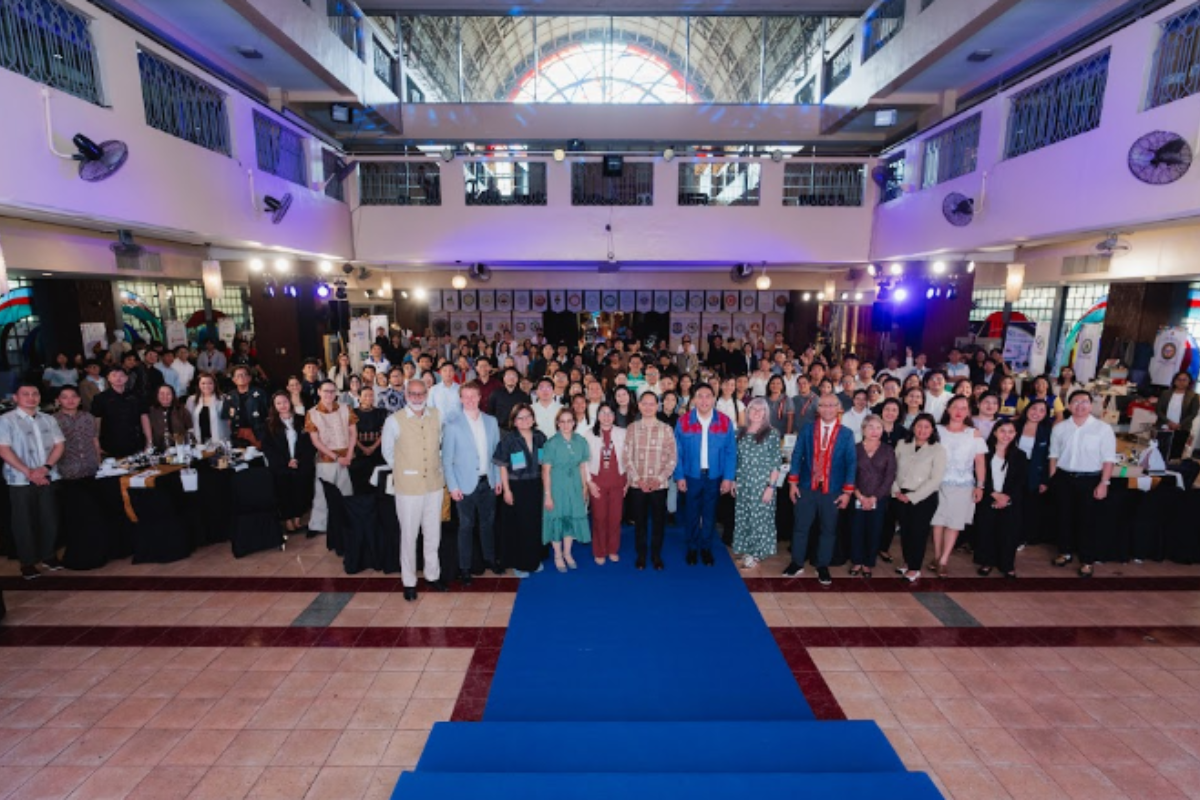
The strategy was unveiled alongside TELAkademi and the Philippine Textile Consortium at the first joint Global Textile Congress and Philippine Textile Congress 2026. The two-day gathering opened Sept. 7 at Ang Bahay ng Alumni, University of the Philippines Diliman.
Audit Exposes Textile Education Gap
Global textile trade is projected to grow 4.2% annually through 2033, which DOST-PTRI sees as a chance to reverse recent declines in apparel exports. The institute also wants the country to shift from raw-material imports to an integrated domestic supply chain.
A nationwide institutional audit by DOST-PTRI found that 1,765 colleges and universities teach skills tied to the textile supply chain. Yet no higher education institution currently offers a curriculum solely dedicated to textile science.
Among the institutions identified, 71 offer programs in textile raw materials and 646 cover product development, from apparel to medical and e-textiles. Another 1,048 support supply chain systems such as fiber cultivation, machinery and logistics.
Related skills remain scattered across degree programs in chemistry, chemical engineering, mechanical engineering, fine arts and design, and industrial technology. DOST-PTRI says that leaves the sector without a standardized national academic framework.
DOST-PTRI Officer-in-Charge Evangeline Flor P. Manalang said classrooms give textile science too little attention. “Textiles are part of our everyday lives, yet textile science is not always given enough attention in our classrooms.”
Manalang explained the aim. “Through its partnership with the academe, DOST-PTRI hopes to help develop a standard textile curriculum that will introduce students to the science, technology, and possibilities behind Philippine textiles.”
Philippine Textile Consortium and TELAkademi
To address the gap, DOST-PTRI established the Philippine Textile Consortium to formalize its partnerships with colleges and universities. Nearly 60 schools are expected to join.
The consortium aims to support a standard curriculum, joint research, laboratory linkages and technical assistance. It also targets degree programs, short courses, hands-on training and research opportunities for faculty and students.
DOST-PCIEERD Executive Director Dr. Julius L. Leaño Jr. called for a united effort in his keynote. “Our competitive advantage is not only in the natural resources that we have, but also in our ingenuity and capacity to look beyond our adversities,” he said.
Leaño said unity could change the industry’s outlook. “If we come together, align our aspirations, and rally behind a common cause, we can give the Philippine textile industry a very different future,” he said.
UP Diliman Chancellor Atty. Edgardo Carlo L. Vistan II spoke on collaboration. “Building a resilient, sustainable, and globally competitive textile industry requires us to bring together our strengths in education, research and development, and industry,” he said.
DOST-PTRI launched TELAkademi alongside the consortium to encourage knowledge-sharing and collaboration among stakeholders. The platform will host discussions on developments in materials science, textile engineering, production technologies and innovation.
DOST-PTRI’s academic roadmap covers courses and university partnerships in textile materials (2025), textile chemistry, dyes and colorants (2026), nonwoven textiles and textile and fabric design (2027), and textile analyses (2028). The plan runs through 2028.
The institute offers thesis co-advising, laboratory services and a mobile textile laboratory. Graduate students can receive joint research assistance worth up to PHP 200,000.
The initiative seeks to expand the use of local agricultural materials in value-added textile products. It also plans to bring textile education to classrooms to build support for Telang Pinoy and recognize farmers, weavers and other practitioners.
The congress also featured a TELAkademi Fair, a Stakeholders’ Networking Night and the Philippine Textile Consortium General Assembly. DOST-PTRI says the activities aim to develop the next generation of Filipino textile professionals.