Enclosed Trailer Upgrades That Improve Everyday Convenience
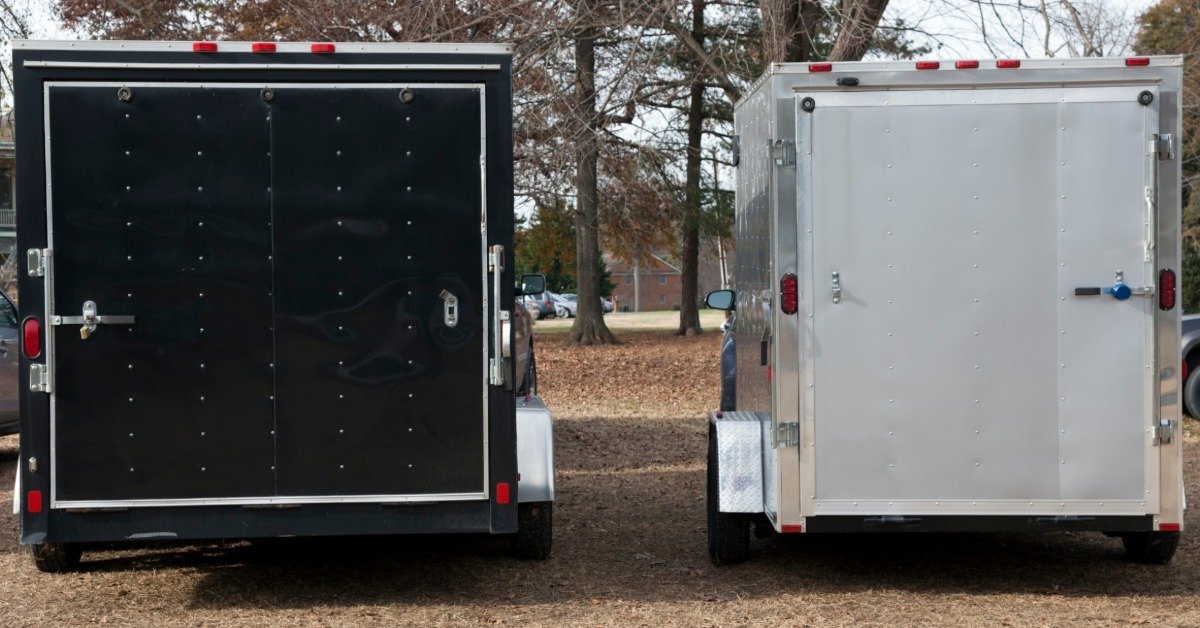
An enclosed trailer may begin as a straightforward way to transport equipment, tools, vehicles, or recreational gear, but small inconveniences quickly become noticeable with regular use. Poor lighting makes unloading after dark difficult, loose equipment wastes space, and an awkward interior layout can turn a simple job into a frustrating one.
Fortunately, improving a trailer does not always require an extensive rebuild. The most practical enclosed trailer upgrades tend to improve everyday convenience by making cargo easier to see, organize, load, secure, and access.
Improve Interior and Exterior Lighting
Lighting is one of the simplest ways to make an enclosed trailer easier to use. A basic ceiling fixture may be adequate for locating cargo, but it can leave dark areas around shelves, workbenches, or equipment.
Multiple LED fixtures that are strategically placed provide more even interior coverage while using relatively little power. For trailers used as mobile workshops, additional lighting over a work surface can also make detailed tasks easier to complete.
Exterior illumination deserves consideration as well. Lights positioned near a ramp, side door, or loading area can improve visibility when loading and unloading at night or during low-light conditions. Owners comparing different configurations benefit from understanding how interior and exterior trailer lighting can be arranged around work areas, doors, ramps, and battery-powered systems.
Switch placement matters, too. A light is much more convenient to use when it can be switched on immediately after opening the door rather than requiring someone to walk through a dark trailer first.
Add Wall-Mounted Storage
Floor space is valuable inside an enclosed trailer, which means the walls can become useful storage areas. Shelving, cabinets, hooks, racks, and tool holders keep frequently used equipment within reach while reducing clutter on the floor.
The appropriate system depends heavily on what the trailer carries. Landscapers may need holders for long-handled tools, while contractors might benefit more from shelving and small-parts storage.
Whatever the arrangement, storage components should be securely mounted and suitable for the weight they will carry. Items also need to remain restrained while the trailer is moving.
Install Better Tie-Down Points
Cargo that fits neatly inside a trailer still needs to be secured for transportation. Conveniently positioned tie-down points make this process easier.
D-rings, recessed anchors, and track-based systems provide attachment locations for straps. Track systems are particularly versatile because attachment points can often be repositioned to accommodate different loads.
Tie-down point placement should reflect the cargo normally transported rather than simply maximizing the number of anchors. Useful tie-down points are accessible after the trailer is loaded and allow cargo to be restrained appropriately without awkward strap angles.
Upgrade the Flooring
Trailer floors deal with concentrated loads, dirt, moisture, equipment, and repeated foot traffic. An appropriate surface makes the trailer’s interior easier to use and maintain.
Rubber flooring or mats provide additional traction and help protect the underlying floor in some applications. Alternatively, trailer owners may prefer durable finished surfaces that can be swept or cleaned easily.
The best choice depends on how the trailer is used. A trailer transporting motorcycles has different flooring needs from one carrying landscaping equipment or serving as a mobile workspace. Any added flooring should also be considered as part of the trailer’s total payload.
Make Entry and Loading Easier
A trailer that is loaded and unloaded frequently benefits from convenient access. Grab handles provide additional support when stepping into the trailer, particularly when the entrance sits well above ground level. Appropriate steps also make a side door more practical for routine entry.
For trailers with ramp doors, attention should be paid to the transition between the ground, ramp, and trailer floor. Equipment with small wheels can be especially sensitive to gaps, steep angles, and uneven surfaces. These improvements may seem minor individually, but they can make a substantial difference when the same trailer is accessed repeatedly throughout a working day.
Create a Dedicated Charging Area
Phones, rechargeable tools, flashlights, cameras, and other electronics are now common equipment for many trailer users. A dedicated charging location helps keep these devices organized instead of scattering cables and adapters around the interior. Depending on the trailer’s electrical system, this could include USB charging ports, suitable outlets, or a small shelf where devices can remain secure while charging.
Electrical modifications should be appropriate for the trailer’s power source and expected loads. More complex installations are best handled by someone who is familiar with mobile electrical systems.
Improve Ventilation
An enclosed trailer can become uncomfortable when heat, humidity, odors, or fumes accumulate inside. Roof vents and other ventilation arrangements improve airflow, particularly in trailers that spend long periods closed while in warm conditions. Powered ventilation may be useful for some applications, although its electrical requirements need to be considered.
Ventilation is especially important when a trailer is used as a workspace rather than simply for transportation. However, ordinary ventilation should never be treated as a substitute for the specific safety measures required when hazardous fumes, fuels, chemicals, or combustion equipment are involved.
Organize Around Everyday Use
Perhaps the most effective upgrade does not involve adding equipment at all; it involves deciding where everything should go. Frequently used items should be easier to reach than equipment that is needed only occasionally. Heavy cargo should be positioned with safe loading and weight distribution in mind, while small objects should have designated storage locations rather than being left loose.
Before installing permanent cabinets, shelving, or electrical equipment, owners should consider how modifications will affect usable space and trailer weight. The trailer’s gross vehicle weight rating and payload limits still apply after accessories are installed.
The best enclosed trailer upgrades are ultimately the ones that address problems encountered during normal use and improve everyday convenience. Better lighting eliminates dark loading areas, organized storage reduces time spent searching for equipment, and well-positioned tie-downs simplify cargo management.
Rather than adding trailer features simply because they are available, it makes sense to identify recurring inconveniences first. Solving those small problems can turn a basic enclosed trailer into a more practical and efficient space for work, recreation, or everyday hauling.