NGO Forum slams ADB energy policy amendments as a step back for climate action
The NGO Forum and its allies have expressed deep concern over the Asian Development Bank’s (ADB) recently approved amendments to its 2021 Energy Policy. Despite claims of “technology neutrality,” the changes mark a regression in the Bank’s commitments to climate action, fossil fuel phaseout, and community-centered development.
For over 20 years, the Forum has monitored ADB policies to ensure accountability and protection for impacted communities. The new amendments—allowing methane reduction in upstream oil and gas, expanding nuclear financing, and supporting critical minerals—highlight persistent issues such as policy incoherence, weak public consultation, and inadequate risk assessment.
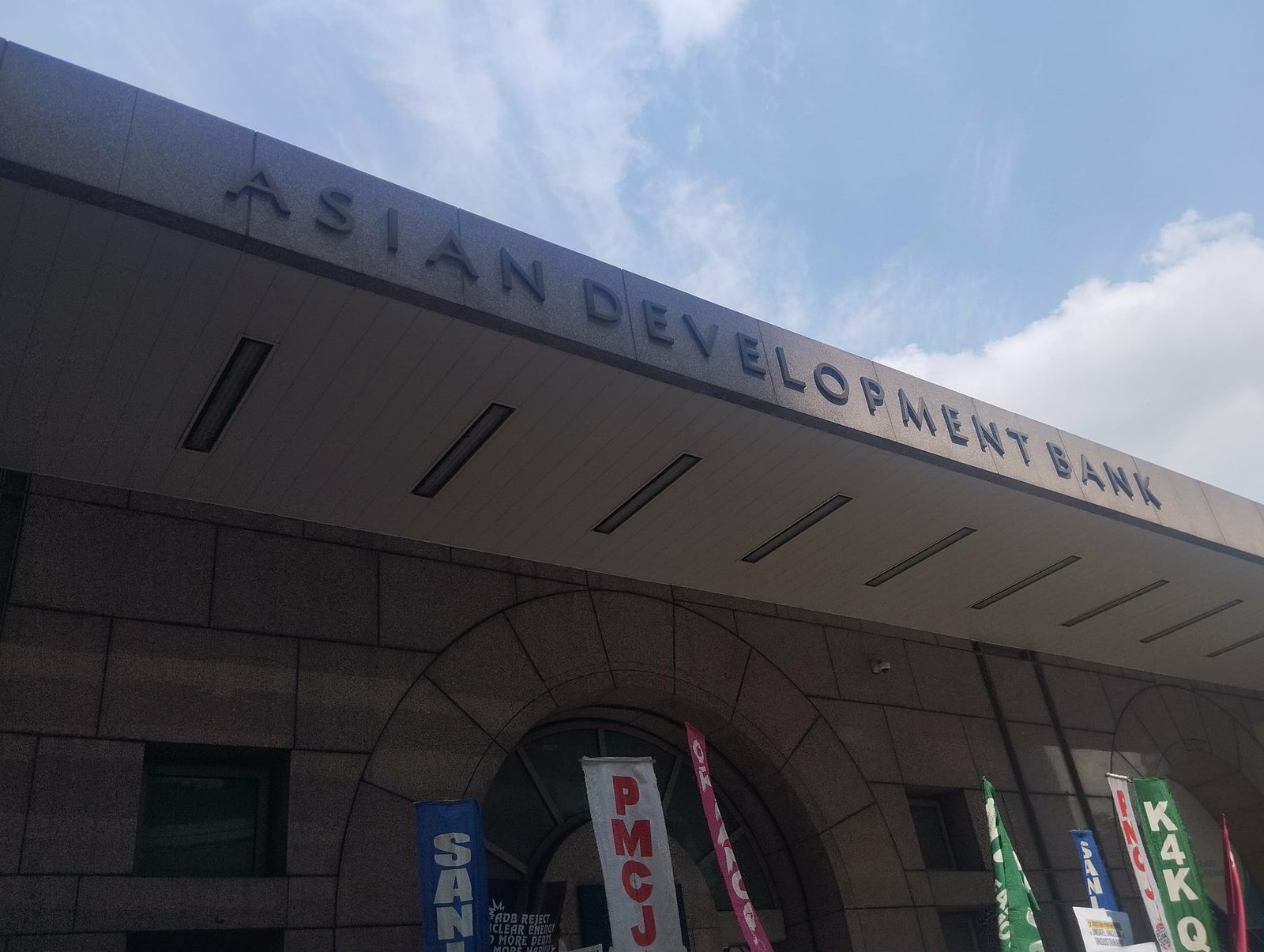
Policy changes spark civil society alarm
The NGO Forum criticized the Bank’s so-called consultation process as largely one-way and insufficient. Input from communities and civil society groups, including opposition to fossil fuel and nuclear investments, was ignored. Rayyan Hassan, Executive Director of the Forum network, said, “The ADB greenlights risky fossil fuels, nuclear projects, and critical mineral extraction—while silencing civil society and ignoring the communities who will pay the price.”
Methane reduction allowances in upstream oil and gas are particularly concerning, as they indirectly prolong fossil fuel production, undermining the trajectory needed to limit emissions. Similarly, lifting the ban on nuclear financing exposes countries lacking regulatory and technical capacity to high-risk investments that divert resources from safer renewable energy alternatives.
Protecting communities and climate integrity
The amendments also raise serious concerns over critical mineral extraction, which can harm indigenous communities and fragile ecosystems. Maya Quirino of LRC warned, “We are dismayed by the Bank’s support of mining, which threatens ecological frontiers and human rights.”
The NGO Forum and allied groups are calling on ADB to:
-
Avoid prolonging fossil fuel lifespans while supporting methane-reduction activities.
-
Restore a full prohibition on nuclear financing.
-
Adopt strong safeguards for critical minerals.
-
Provide transparent records showing how civil society inputs shaped policy revisions.
-
Reform its consultation processes to ensure meaningful participation.
According to Hasan Mehedi of CLEAN, “This policy update has not considered power supply, environmental impacts, or social risks. It is a step back from climate responsibility and risks exploiting the energy sectors of developing countries for commercial gain.”
Communities across Asia and the Pacific deserve energy systems that are clean, safe, and rights-based. The NGO Forum insists that ADB align its policies with a just transition grounded in science, equity, and the needs of those most affected.